
Choosing equipment for an agribusiness is a key step that determines the success and efficiency of the farm. The agricultural sector in Ukraine is actively developing, but success depends on many factors, among which the right equipment plays a key role. Modern and productive equipment allows you to increase production volumes, reduce costs and ensure stable growth in profits. In this material, we have collected expert recommendations and farmers’ experience to help you choose the optimal equipment for your agribusiness. We will consider all the key stages – from determining the needs of the enterprise to current trends in 2025, providing useful advice to both beginners and experienced farmers.
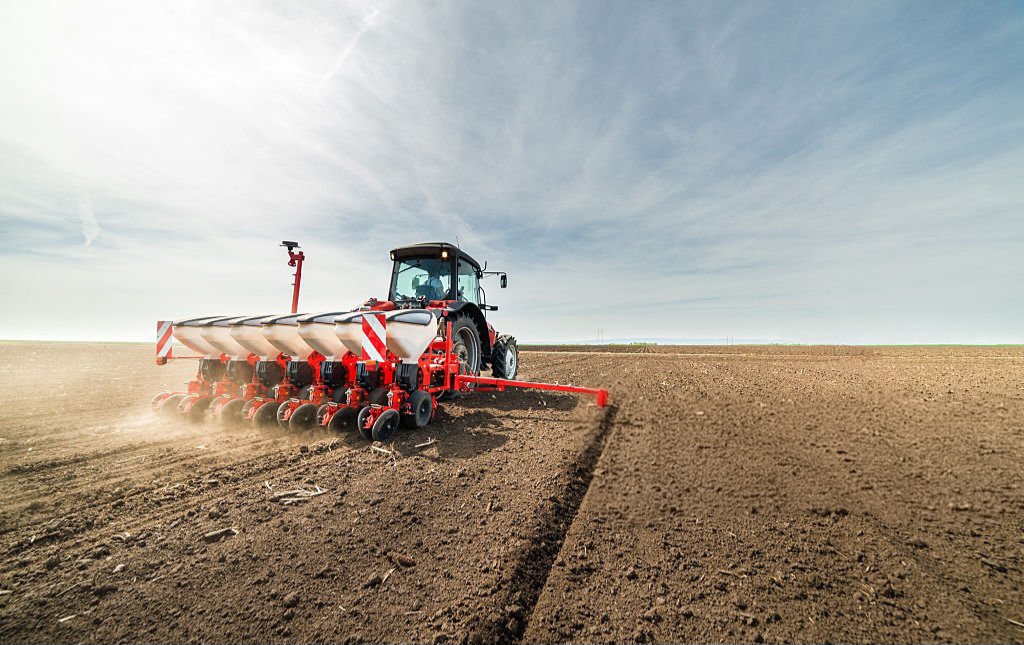
The initial step in choosing equipment is to clearly define the goals of your business. Equipment requirements vary depending on the specifics of the activity: growing crops, raising livestock, or processing products. Before purchasing agricultural equipment, it is necessary to determine exactly what functions it will perform. To do this, you should:
– Estimate production volumes.
– Determine the main direction of the farm’s work – whether it is focused on crop production, livestock production, or combining these areas.
– Take into account the seasonality of work and the degree of equipment utilization.
It is important to analyze the size of your farm, soil characteristics, and climatic conditions of the region. For those working in livestock farming, it is worth paying attention to equipment for the production of compound feed, which can reduce feed costs by up to 50% and improve the quality of the resulting product.

For beginners, it is important to understand what resources are needed: land, finances and personnel. Experts advise choosing a promising business – for example, growing organic products or poultry – and drawing up a complete business plan with a list of the necessary equipment. For vegetable growing, it is important to have equipment that allows you to effectively clean and sort the crop, and in greenhouse farming – modern irrigation and ventilation systems that maintain optimal conditions. A clear understanding of the needs of the enterprise helps to avoid unnecessary expenses for equipment that will remain unused.
Budget is a decisive factor: new equipment offers high reliability and the introduction of modern technologies, but its price often exceeds $200 thousand. Used equipment can be a budget solution, but before buying it is worth conducting a thorough inspection: assess the technical condition, find out the history of operation and conduct diagnostics to avoid expensive repairs. Experts advise that before buying to learn in detail all the technical characteristics of the machine, clarify its operating conditions, and, if possible, invite specialists for a professional assessment.
It is necessary to assess the payback of the equipment:
Financing can be obtained through loans, leasing, agricultural receipts, or grant programs. Leasing is especially beneficial for purchasing equipment, as it does not require additional collateral. For your business, choose the appropriate form of ownership (sole proprietorship or LLC) and taxation system — the fourth group allows you to receive subsidies, which makes it easier to invest in equipment.
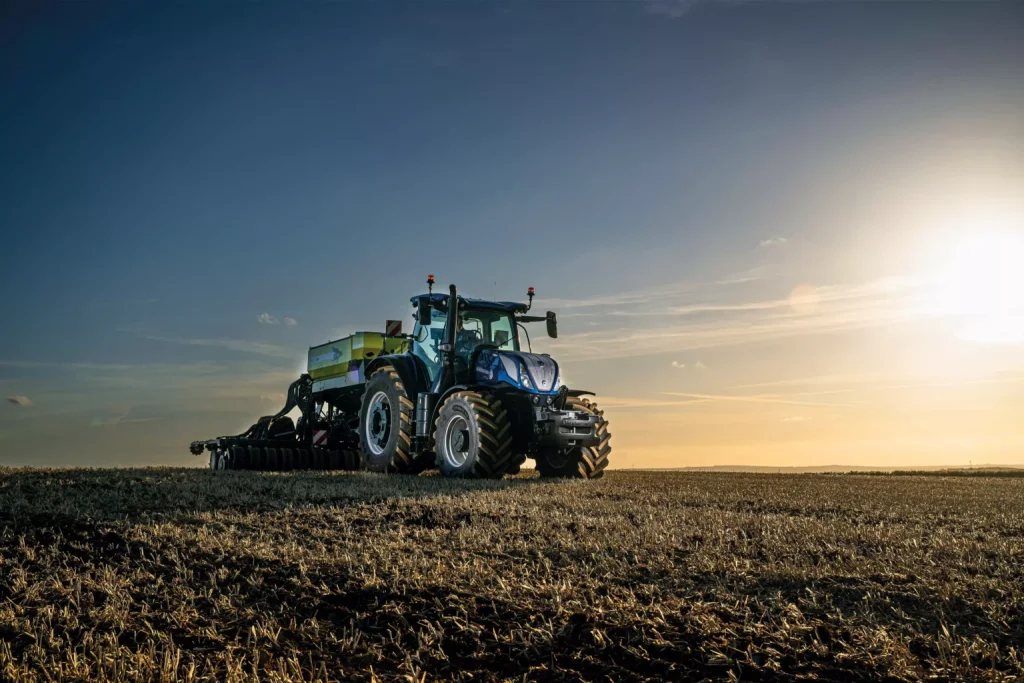
The reliability of the equipment directly affects its durability and productivity. A correctly selected brand determines not only the efficiency of the equipment, but also the costs of its maintenance and repair in the future.
It is recommended to focus on manufacturers who:
– Choose brands with long-term experience in the market and a good reputation among users.
– Provide training for employees and ensure prompt delivery of spare parts.
– Offer service and constant technical support, which guarantees uninterrupted operation of the equipment.
Before buying, be sure to check the certificates of conformity, customer reviews, and the availability of spare parts in Ukraine. A reliable supplier provides a full range of services – from professional installation of equipment to staff training and scheduled maintenance.
We cooperate exclusively with proven international partners who have gained recognition in the world market thanks to innovative technologies and impeccable production standards. You can familiarize yourself with their equipment and detailed characteristics in a special section of our website.
Agribusiness is changing rapidly, and successful enterprises are already implementing technologies today that will determine the market leaders of tomorrow. In 2025, one of the key vectors of development of equipment for agriculture and processing will be the active implementation of automation and innovative technologies:
– Automation and robotization of processes
Modern systems with automatic control minimize the impact of the human factor, ensure high accuracy of operations, and allow for continuous operation 24/7
– Internet of Things (IoT) and remote monitoring
Sensors and digital platforms provide real-time monitoring of equipment operation, prediction of wear of parts, and planning of maintenance.
– Energy-efficient technologies
Equipment with minimal energy consumption and heat recovery systems allows for reducing electricity costs and reducing the carbon footprint of production.
– Sustainable development and environmental safety
The use of technologies to reduce waste and rational use of resources is becoming a mandatory standard for those who seek to maintain competitive positions in the market.
– Modularity and flexibility of production
Modular production lines that are easily modernized or reconfigured for a different type of product allow you to quickly respond to market changes and implement new solutions without significant downtime.
Our partners are already implementing these solutions in their equipment, offering enterprises innovative and practical technologies that meet the challenges of modern agribusiness.

Environmental friendliness of equipment is not only about meeting standards, but also about a strategy to increase profitability. Modern machinery should minimize its environmental impact, reduce CO₂ emissions and use resources efficiently.
For example, modern tractors and combines with optimized fuel consumption can reduce fuel costs by 15-20% compared to older models. Feed pelleting equipment, such as CPM, improves the absorption of nutrients by animals, reducing waste and the need for additional feed. Geelen Counterflow dryers with counterflow technology reduce energy consumption by 30% compared to traditional systems.
Another important aspect is scalability. In the initial stages, it is worth investing in mobile or modular solutions that can be easily adapted to the needs of the enterprise. As production increases, it is advisable to switch to stationary systems that ensure the processing of larger volumes of products and process stability.
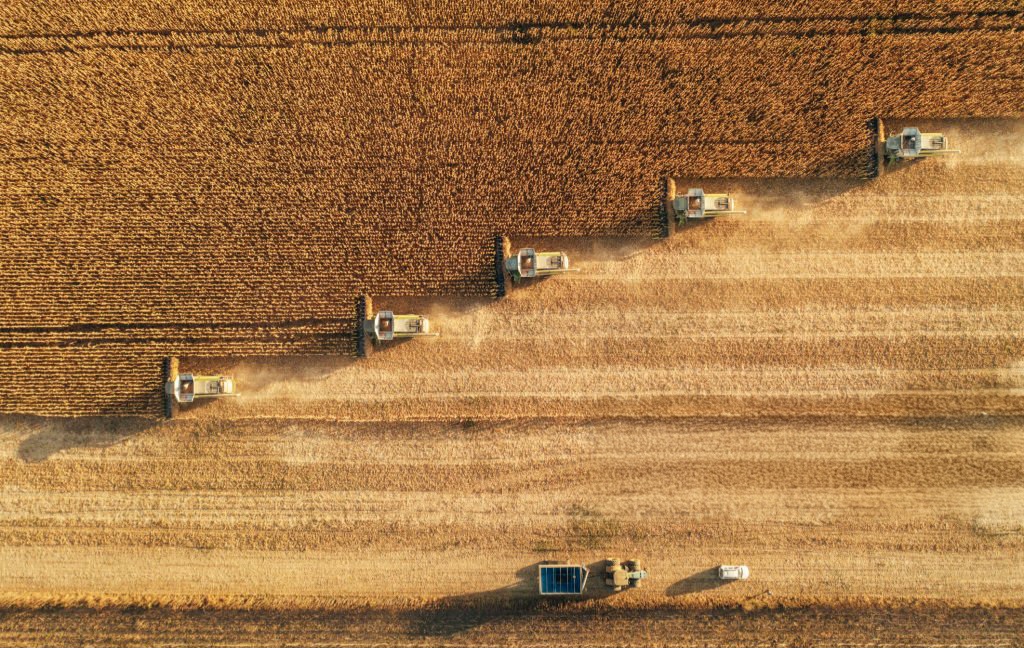
The right choice of equipment for your agricultural business is a combination of needs analysis, technical characteristics, financial feasibility, and trust in the manufacturer. Analyze your business, choose proven suppliers, and boldly introduce innovations to stay one step ahead of your competitors. We will help you choose equipment that will become a reliable partner and the driving force of your production.


