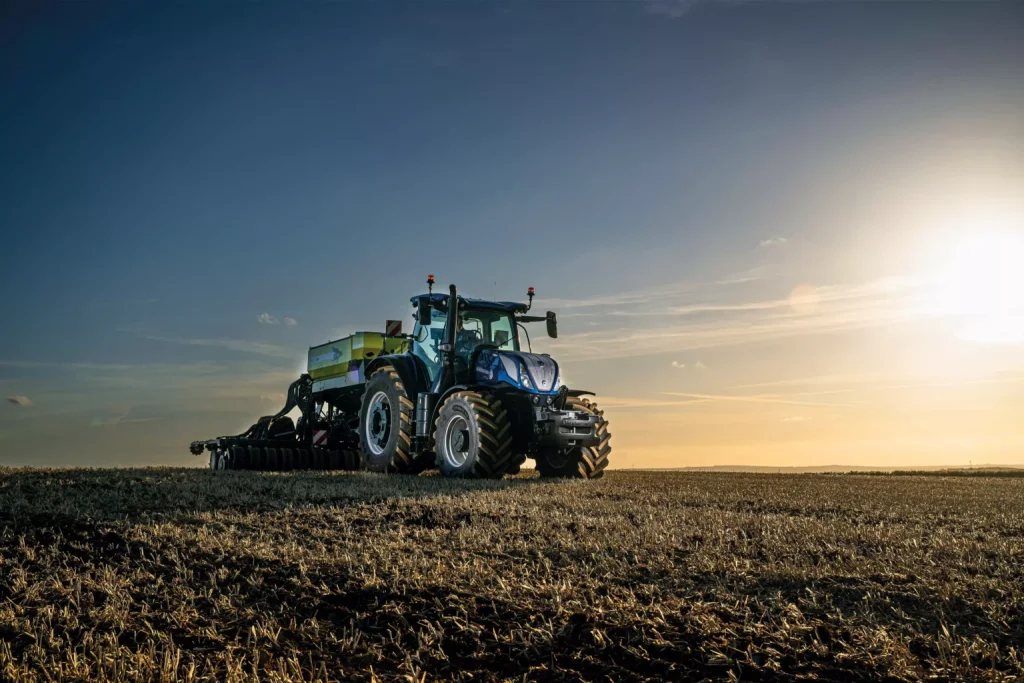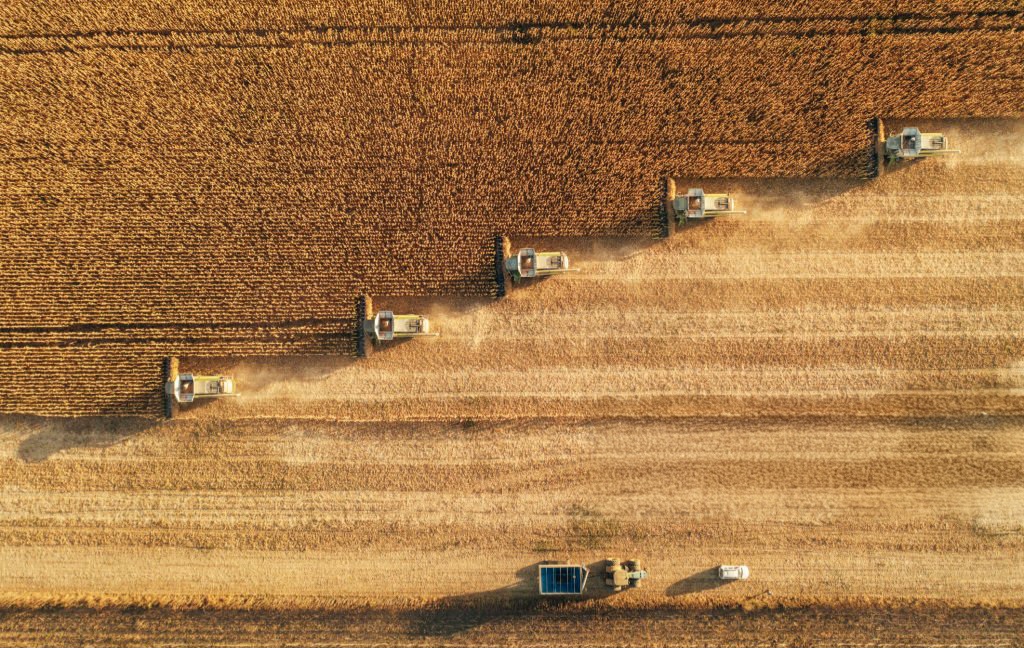
Agribusiness faces soil depletion, environmental challenges, and growing demand for eco-friendly products. In these conditions, organic fertilizer production becomes a strategic direction, as it restores soil fertility, reduces dependence on chemical fertilizers, and can increase crop yields by 20–30% through improved soil structure and enhanced microbiological activity.
The organic fertilizer market is growing rapidly due to demand for “green” products, and farmers investing in their production gain both economic and competitive advantages. Organic products command higher prices, while the use of natural fertilizers helps reduce greenhouse gas emissions — especially relevant under European environmental regulations and the transition to sustainable farming.
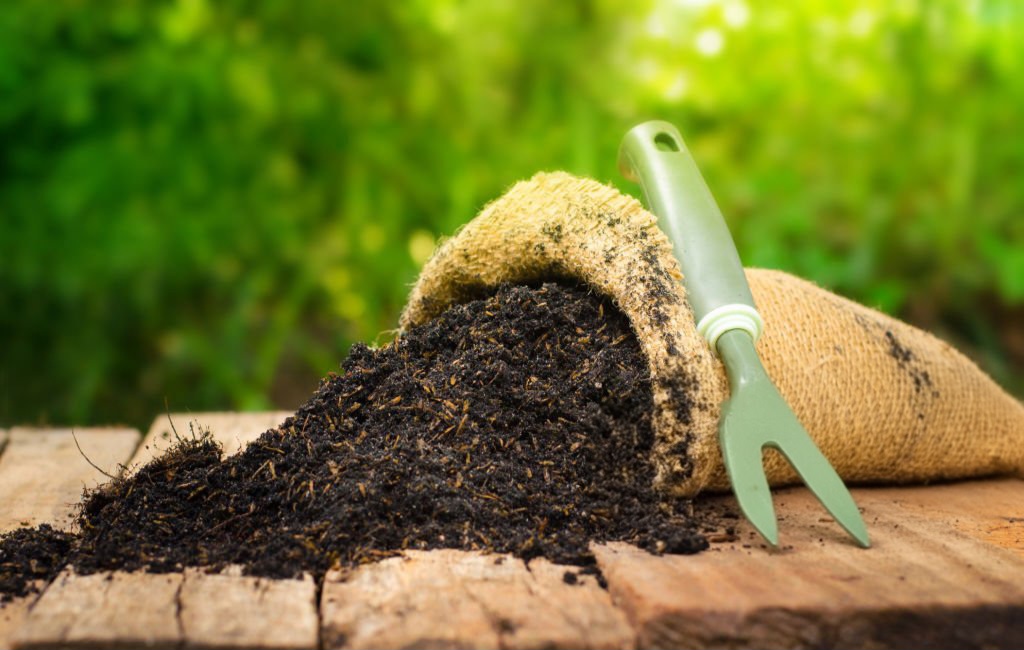
Resource and Raw Material Assessment: Where Organic Fertilizer Production Begins

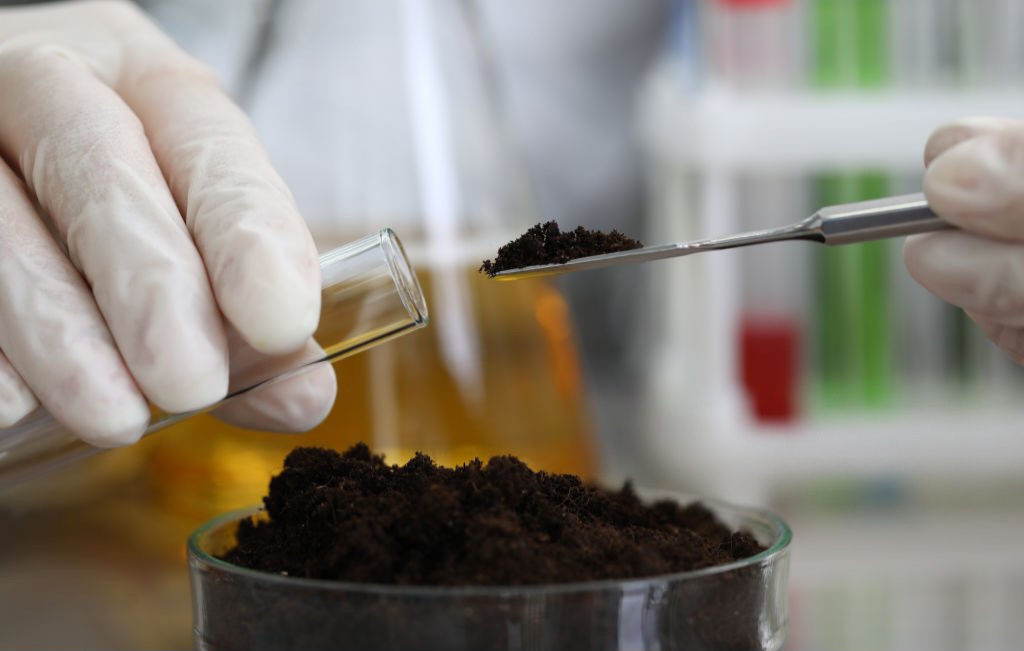
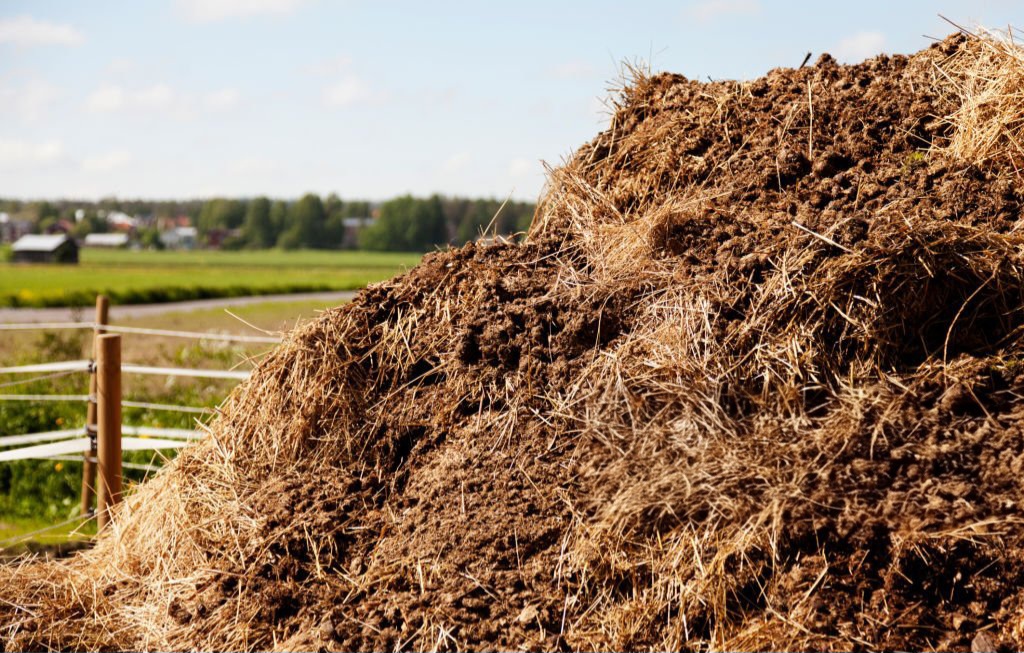
The production of organic fertilizers begins with a thorough assessment of the resources and raw materials, which is a fundamental step in ensuring the quality and efficiency of the final product. Raw materials include organic waste such as cattle manure, chicken manure, straw, food scraps and compost mixtures. The assessment begins with an analysis of the availability of these materials: for example, farms with a large number of livestock can use manure as the main raw material, while processing plants focus on food waste. It is important to assess the chemical composition of the raw materials – nitrogen, phosphorus, potassium and organic matter content – through laboratory tests to avoid contamination with heavy metals or pathogens. Equipment for assessing resources includes front-end loaders for collecting raw materials, weighing systems and samplers for accurate analysis. For example, automated systems allow the raw materials to be scanned for moisture and pH, which affect subsequent composting processes. In modern agribusiness, resource assessment also involves logistics: the transportation of raw materials must be efficient to minimize costs. According to data, proper assessment can reduce raw material losses by 15-20% and increase production efficiency.
In addition, strategic assessment includes an environmental aspect: choosing raw materials with a low carbon footprint, such as crop residues, contributes to sustainability. Integration with other sectors, such as biogas plants, allows the use of waste for energy production before composting. Ultimately, this stage determines the entire production chain, ensuring high-quality fertilizers and economic benefits for the business.
Material Preparation: Drying, Crushing, and Screening
Material preparation is a critical stage where composted raw material is transformed into a form suitable for further processing. The process includes drying of organic fertilizers, crushing, and screening, ensuring optimal properties for granulation of organic fertilizers and packaging. Modern organic fertilizer production integrates these processes into automated lines, achieving up to 20 t/h capacity while reducing energy consumption by 20–30% compared to traditional methods.
Drying: Achieving Optimal Moisture for Product Stability
Drying is the first and one of the most important steps in the preparation, as composted raw materials after fermentation often contain 40-60% moisture, which complicates further processing and promotes microbial spoilage. The goal of drying is to reduce the moisture content to 10-15%, preventing particle sticking, mold formation and loss of nitrogen or other key elements. This process not only preserves nutrients such as organic carbon and trace elements but also improves the transport properties of fertilizers, making them resistant to moisture during storage.
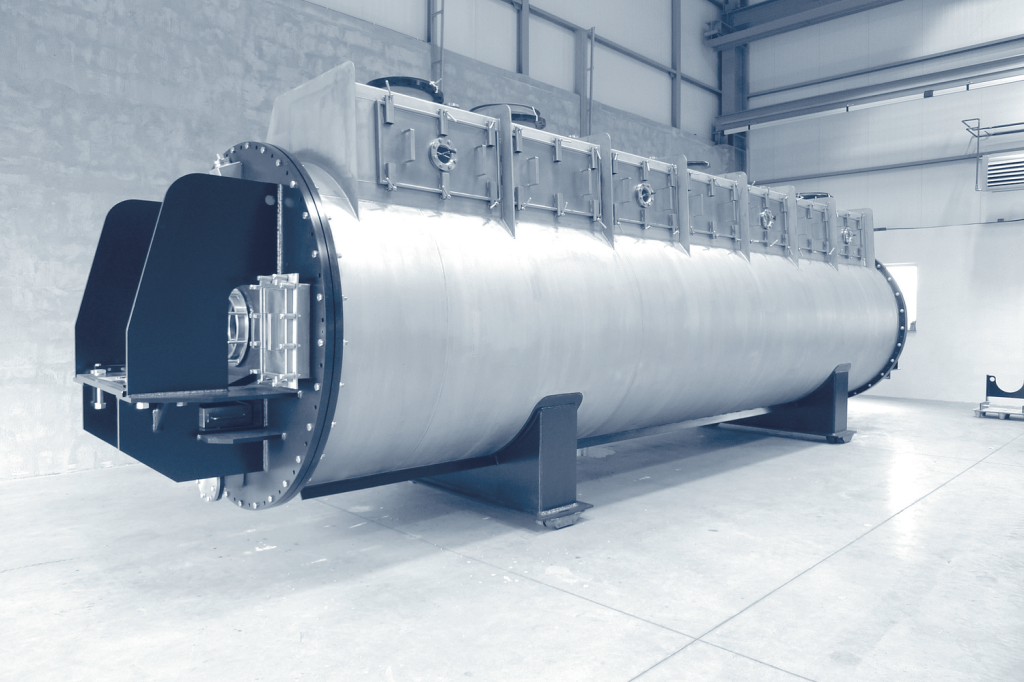
Drying equipment is mainly based on convective heating technologies, where hot air (60-120°C) circulates through a layer of material, effectively removing moisture. Disc dryers from HF Group are one of the key solutions for agribusiness, as they are also used for organic materials such as compost or biomass. These dryers operate on the principle of indirect heating with a hollow disc agitator heated by steam, which ensures high efficiency of moisture evaporation and uniform drying of “sticky” and complex raw materials such as animal waste, meat and bone meal or agricultural residues. HF Group specializes in energy-efficient systems that reduce operating costs by 25-35% due to optimal heat distribution over the surface of the discs and prevention of local overheating.
Grinding: Fraction size for efficient granulation
After drying, the raw material should be crushed to uniform particles of 1–5 mm in size – this fraction is ideal for subsequent granulation. Proper crushing increases the contact area of the particles, ensures strong binding in the granules, increases the solubility of fertilizers in the soil, and reduces the percentage of rejects at the granulation stage by 15–20%.
In the production and processing of organic fertilizers, one of the leaders in the field of crushing is California Pellet Mill (CPM). The company offers a full range of equipment – Hammer Mills, Roll Crushers, and Industrial Lump Breakers that perfectly cope with any raw material: from soft compost and manure to hard straw, dehydrated manure and sticky lumps after fermentation.
CPM equipment is characterized by high productivity (10–30 t/h), precise adjustment of the fraction size due to adjustable sieves and gaps, low energy consumption (savings up to 25–40%), minimal dust generation (<5%) due to integrated aspiration systems and full automation – frequency converters, PLC controllers and IoT monitoring allow the system to independently adjust the speed and load to the current humidity and density of the material.
Due to the low operating temperature (<50 °C) and stainless steel construction, up to 98% of nutrients and beneficial microflora are preserved. All equipment is easily integrated into a single continuous line, provides a quick payback (12–24 months), and allows you to obtain premium raw materials, a high-quality product – exactly what is needed for competitive organic fertilizers in the modern market.
Screening: Precise screening for uniformity
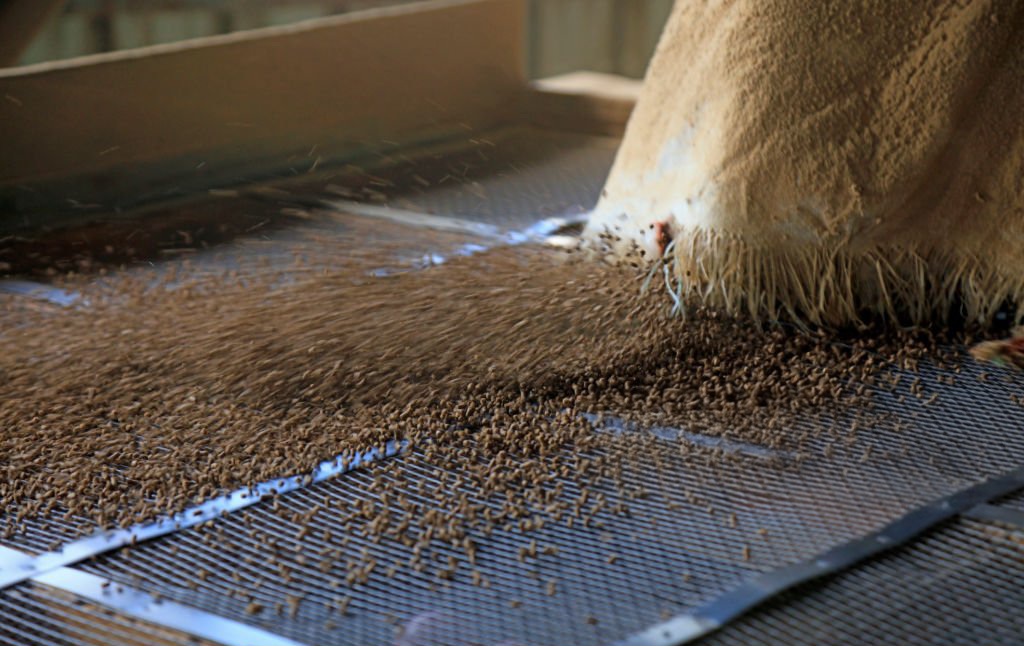
Screening completes the preparation by separating the fractions by size to ensure product homogeneity. This allows for the removal of particles that are too large or too small, which can disrupt the structure of the granules, and for the return of suitable material for reprocessing. The optimal fraction size – 1-5 mm – guarantees an even distribution of nutrients and facilitates further shaping.
The key equipment here is the vibrating screeners from the Rotex Group, which use a gyrating reciprocating motion for efficient sorting. Rotex specializes in industrial screeners, such as Rotex industrial screeners, Minerals Separators or APEX Screeners, which allow for the precise separation of organic materials into several fractions with an accuracy of up to 98%. Rotex automated models are equipped with sensors for flow monitoring and automatic sieve cleaning, which reduces waste by 10-15%
For organic fertilizers, Rotex offers hygienic stainless steel sieves, resistant to corrosion from acids in compost, with the possibility of multimedia sorting (dry, wet or ultrasonic). The advantages of Rotex are in durability (service life >10 years) and flexibility: the sieves can be reconfigured for different fractions without stopping. This not only improves the quality of the final product, but also meets the certification standards for organic fertilizers, such as the EU Organic Regulation.
These processes – drying, grinding and sieving – are integrated into a single production line, ensuring energy efficiency (total cost reduction of 25%) and environmental friendliness (minimization of waste and emissions). Using equipment from HF for drying, CPM for grinding and Rotex Group for screening allows agribusiness to achieve competitive advantages: higher quality fertilizers, faster turnover and compliance with global “green” standards. Proper preparation of the material turns the raw material into a premium product, which increases the market value by 15-25% and contributes to sustainable development.
Granulation and final product formation
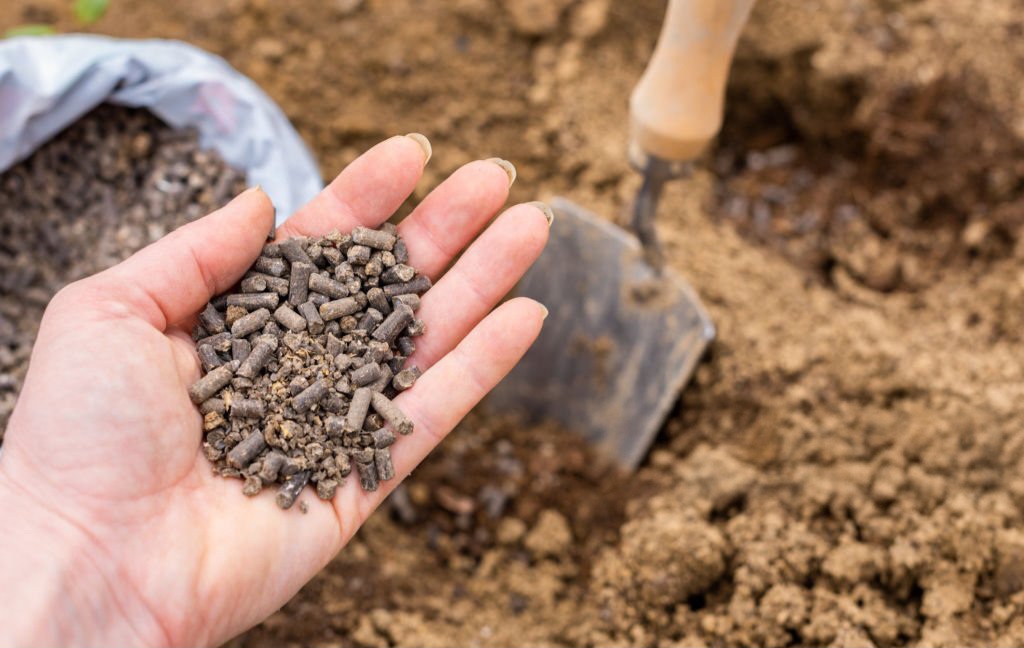
Granulation is the final stage in the production of organic fertilizers (excluding the screening of finished granules), where the crushed and screened raw materials are converted into convenient, uniform granules – spherical or cylindrical particles with a diameter of 2–8 mm. This process not only improves the presentation of the product, facilitates dosing and storage, but also ensures controlled release of nutrients into the soil, increasing the efficiency of fertilizers by 20–30% compared to powdered forms. The formation of the final product also includes cooling, stabilization and optional coating of the granules to protect against moisture and improve adhesion.
In modern agribusiness, granulators from CPM are the optimal choice for organic fertilizers, as they specialize in pelleting biomass, compost and other organic waste. CPM offers a wide range of products that work on the principle of extrusion: the raw materials are pressed through the holes of the die under high pressure (up to 100 bar), forming granules without additional binders, which preserves the natural composition of the fertilizers. These models are optimized for “sticky” and fibrous materials, such as composted manure or plant residues, with minimal heating (<80 °C) to preserve microflora and nutrients.
CPM granulators are integrated into automated lines with PLC control to regulate pressure, temperature and speed, which allows to achieve a granulation rate of more than 95% without defects. After forming, the granules are cooled in coolers (to 20–30 °C) for stabilization. Environmental benefits include heat recovery from the process and low dust emissions thanks to aspiration systems.
Using CPM equipment makes granulation economically viable. This equipment transforms organic waste into a premium product, ready for EU Organic certification, contributing to sustainable agribusiness and a circular economy. After cooling, the granules are screened on vibrating screens to separate dust and substandard particles, ensuring 99% homogeneity of the final product and meeting the highest export standards.
Energy saving and environmental friendliness: New generation equipment
Today, equipment for the production of organic fertilizers is being developed taking into account the principles of the Green Deal and the EU’s goal of reducing CO₂ emissions by 55% by 2030. Manufacturers offer comprehensive solutions that reduce energy consumption by 30–50% and practically eliminate harmful emissions.
Key technologies for energy efficiency and environmental friendliness:
– Heat recovery and multi-stage systems. Waste heat from drying and other processes (up to 80–90%) is returned to the technological cycle. Low-potential heat (60–90 °C) is converted into electricity using air-to-water heat pumps or ORC systems (Organic Rankine Cycle), covering up to 15–20% of the line’s needs.
– Switching to biomass and biogas. Natural gas is completely replaced by pellets or chips from our own raw materials (straw, husks, wood waste) or biogas obtained from the liquid fraction of manure. One medium-sized biogas plant provides 100–400 kWh of electricity and all the necessary heat for drying and heating the workshop.
– Solar energy and storage systems. Solar panels with a capacity of 200–1500 kW on the roofs of production facilities in combination with modern lithium-iron-phosphate batteries allow for zero-balance operation with the grid during the day and significantly reduce peak loads in the evening.
– Energy-efficient motors and drives. All new lines are equipped with IE4 and IE5 class electric motors and new generation frequency converters, which reduce the electricity consumption of fans, pumps and conveyors by 40–60% compared to traditional solutions.
– Deep emission treatment systems. Biofilters, wet and dry scrubbers, catalytic VOC neutralizers and MERV 16 and HEPA dust filters reduce ammonia, odors and dust by 98–99%, ensuring emissions well below the strictest EU regulations (2010/75/EU and BAT concepts).
Your next step towards leadership in the green economy of the agricultural sector
Automation and energy-efficient equipment of the new generation are radically changing the production of organic fertilizers: from a “dirty”, labor-intensive, and energy-consuming process, it is turning into a high-tech, clean, and highly profitable business.
Companies that invest in these technologies today receive:
– quick payback – 3–5 years, even with conservative calculations;
– a reduction in the cost of a ton of finished products by 25–40%;
– a real opportunity to bring premium fertilizers to the market with the markings “Carbon Neutral”, “Zero Waste”, “Produced with 100% renewable energy” and “Regenerative Organic”.
It is for such eco-labels that European and North American buyers (retail, agricultural holdings, farmer cooperatives) are willing to pay 25–50% more than for conventional organic fertilizers. At the same time, the manufacturer receives stability – independence from gas and electricity prices, minimal downtime, full digital tracking of each batch and readiness for the most stringent certifications of the future.
So a modern line is no longer an expense, but a strategic asset that works for business growth over the next 10–15 years and makes the company a leader in the new “green” economy of the agricultural sector.
“Need equipment for the production of organic fertilizers?”
We will help you choose the optimal line for your volumes, raw materials and budget. At Quiplines, you will receive full support: from technical audit and payback calculation to the supply of HF Group, CPM and Rotex equipment.
Contact us and we will prepare an individual commercial offer today.