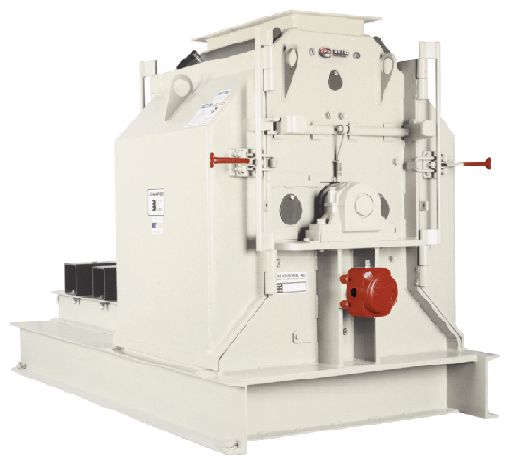
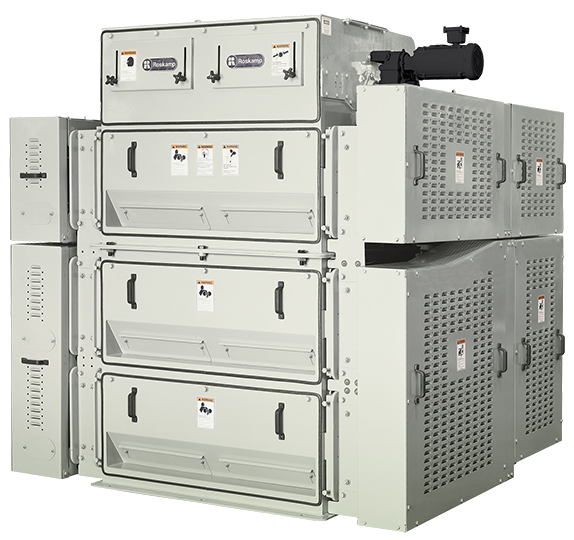
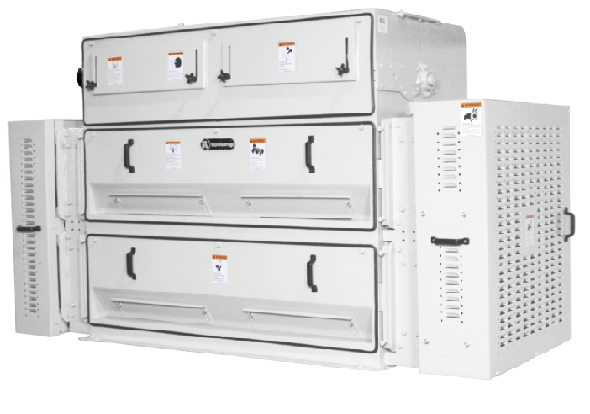
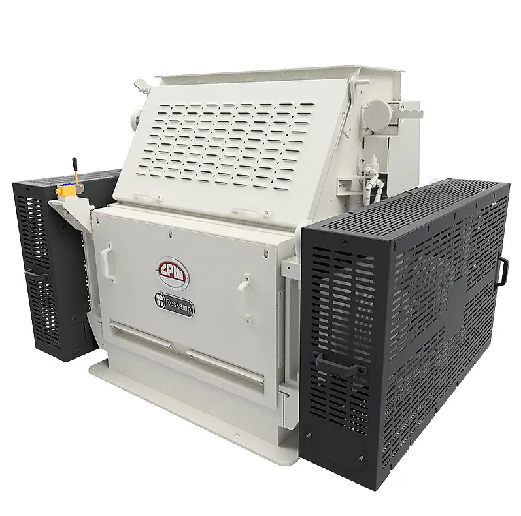
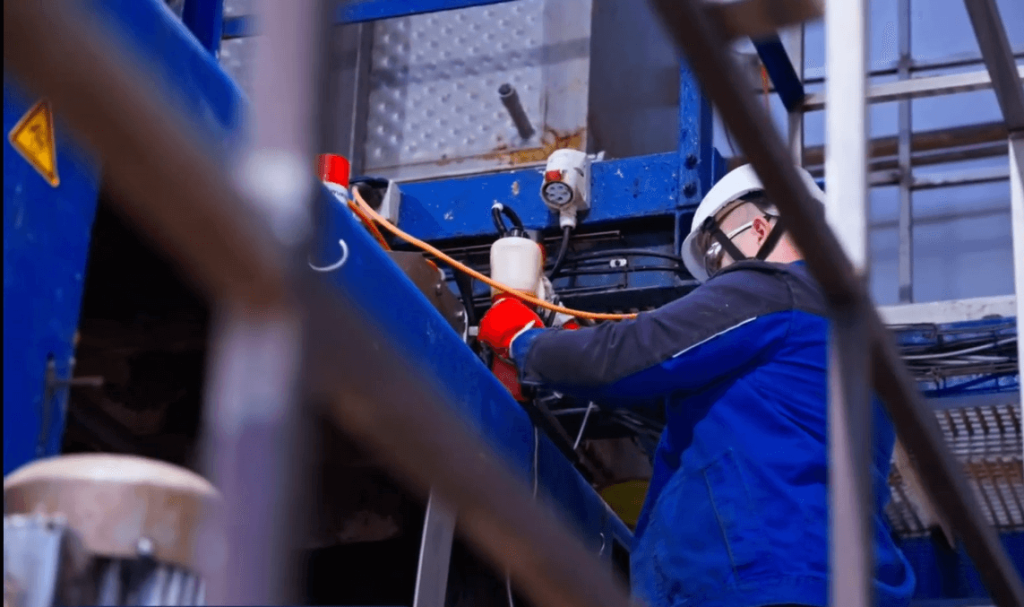
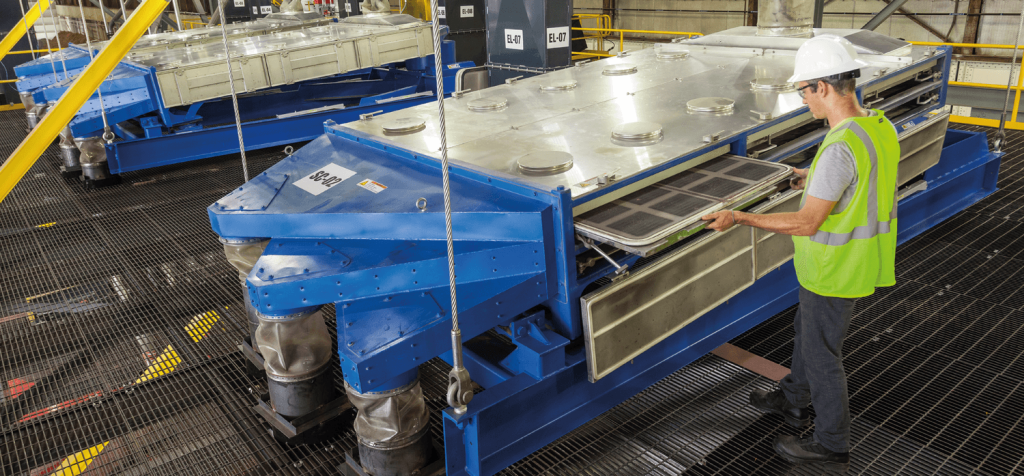
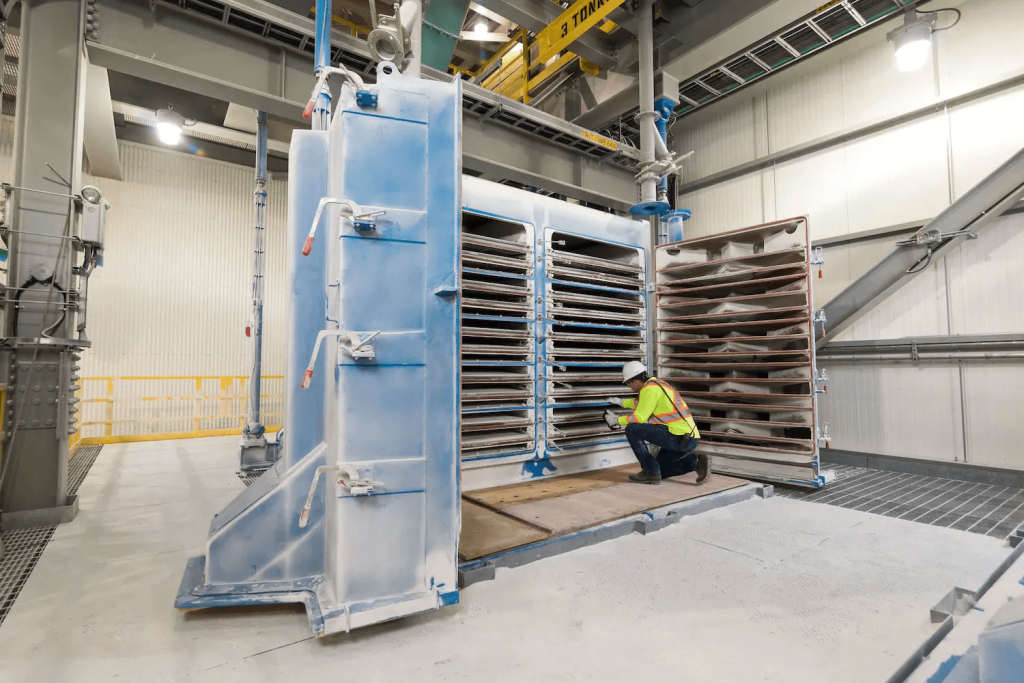
In modern industry, equipment reliability is a key factor in ensuring stable profits and uninterrupted production. Maintaining screeners with OEM spare parts, regular technical inspections, and long-term service programs not only extends machine lifespan but also maximizes the value of your investment. Timely diagnostics, preventive maintenance, and professional technical support help minimize the risk of unexpected downtime, reduce repair costs, and maintain consistent equipment performance.
Rotex Group, with more than 180 years of experience in screening technology, is committed to ensuring the flawless operation of your equipment throughout its entire lifecycle. Through high service standards, technical expertise, and an individual approach to every customer,Rotex Group helps companies improve production efficiency and achieve long-term equipment reliability.
Why Genuine Parts Matter
In industrial equipment, operational stability directly depends on the quality of components. The use of OEM (Original Equipment Manufacturer) parts ensures precise compatibility of all equipment components, which is especially important for Rotexseparators and screening machines.
Rotex Group emphasizes that the use of genuine parts helps extend equipment service life, minimize downtime, and maintain the efficiency of production processes.
OEM components are manufactured according to the producer’s factory standards, undergo strict quality control, and are tested under specific operating loads. Unlike aftermarket alternatives, they:
– guarantee precise compatibility;
– ensure stable performance;
– reduce the risk of unexpected shutdowns;
– maintain factory equipment specifications;
– help prevent premature wear of components.
In the long term, the use of non-genuine parts often leads to additional repair costs, productivity losses, and unplanned downtime.
Main Rotex OEM Spare Parts and Their Role in Equipment Performance
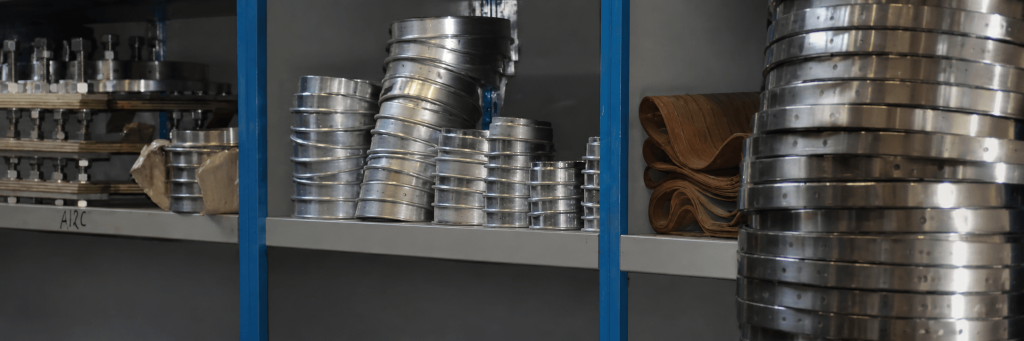
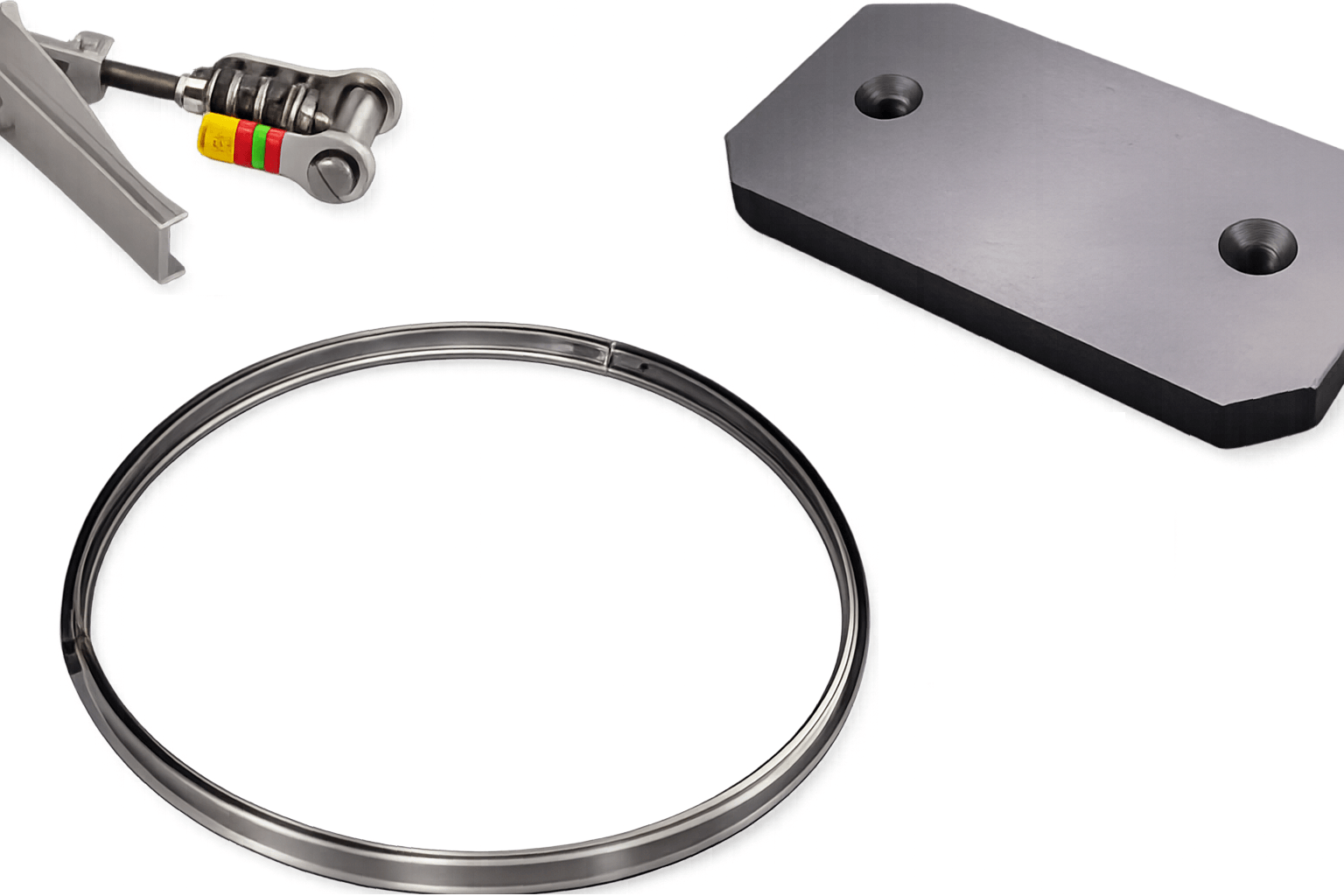
Rotex Group maintains an inventory of more than 2,000 genuine spare parts to ensure fast service and uninterrupted equipment operation.
Screens
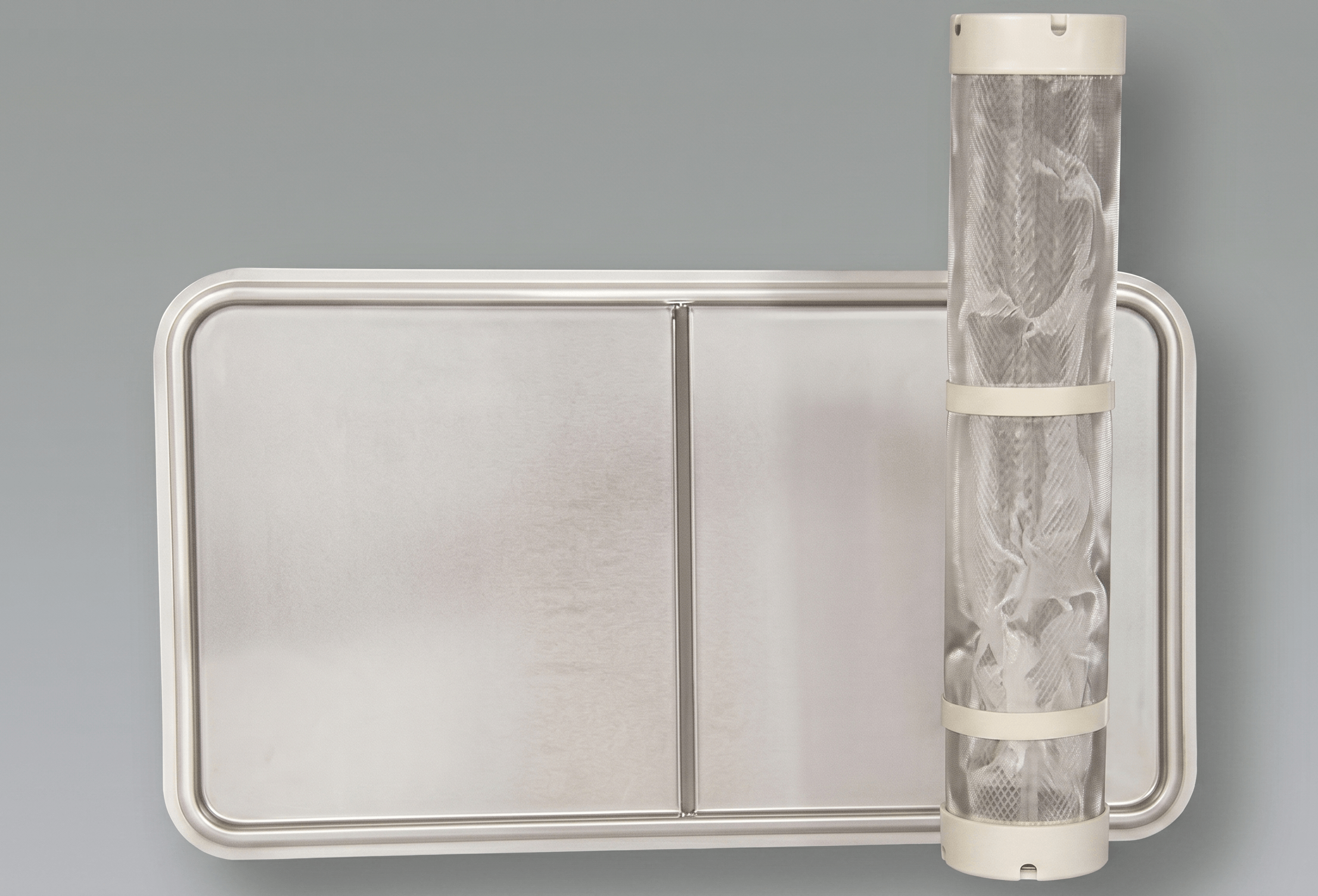
Screens are a key element of screening equipment. They directly affect material separation quality, productivity, and process accuracy. Rotexoffers screens in various configurations and types adapted to specific production requirements.
Using genuine screens allows you to:
– maintain consistent screening quality;
– reduce product loss;
– extend service life;
– avoid frame deformation and damage.
Consumables
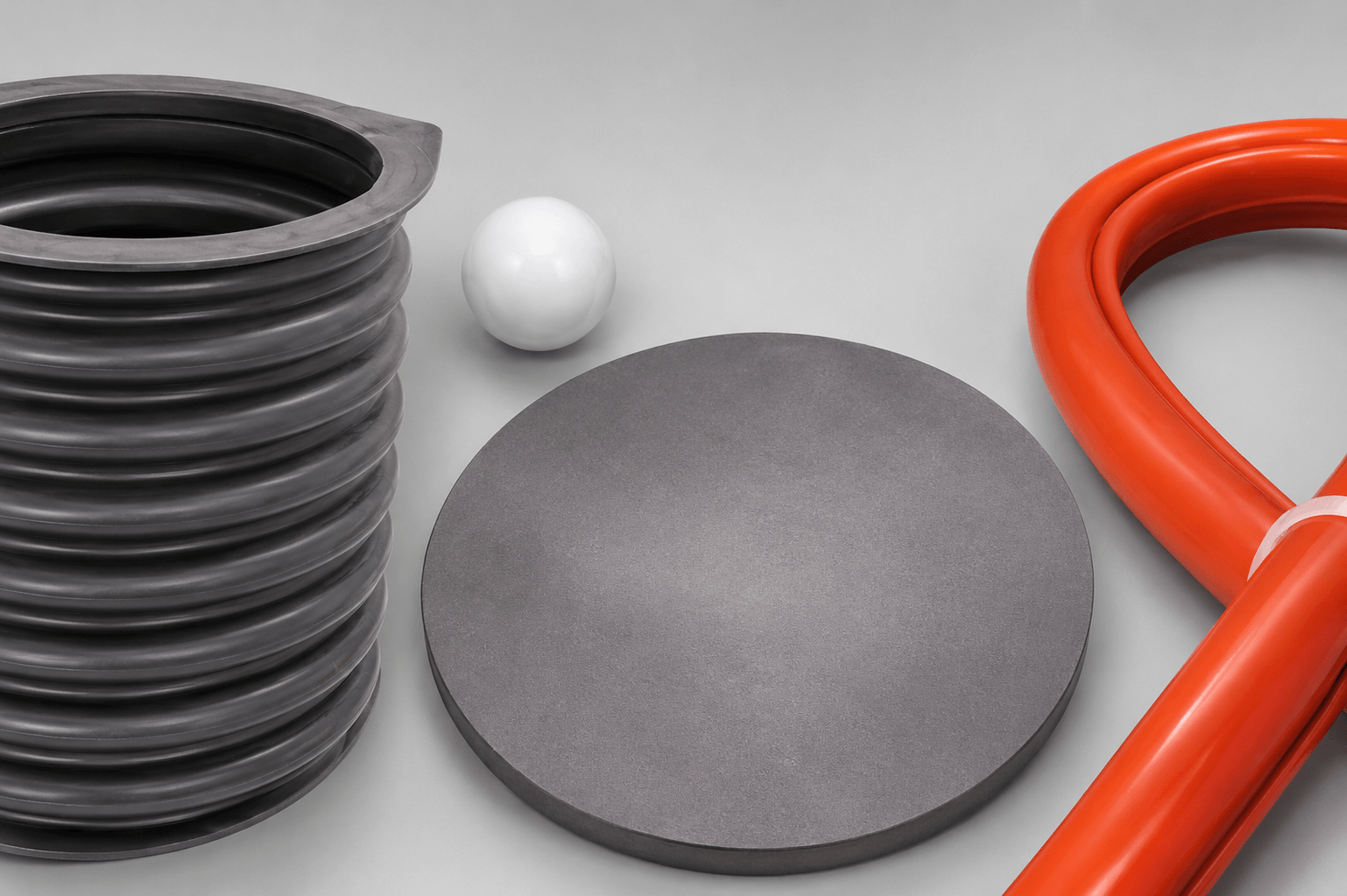
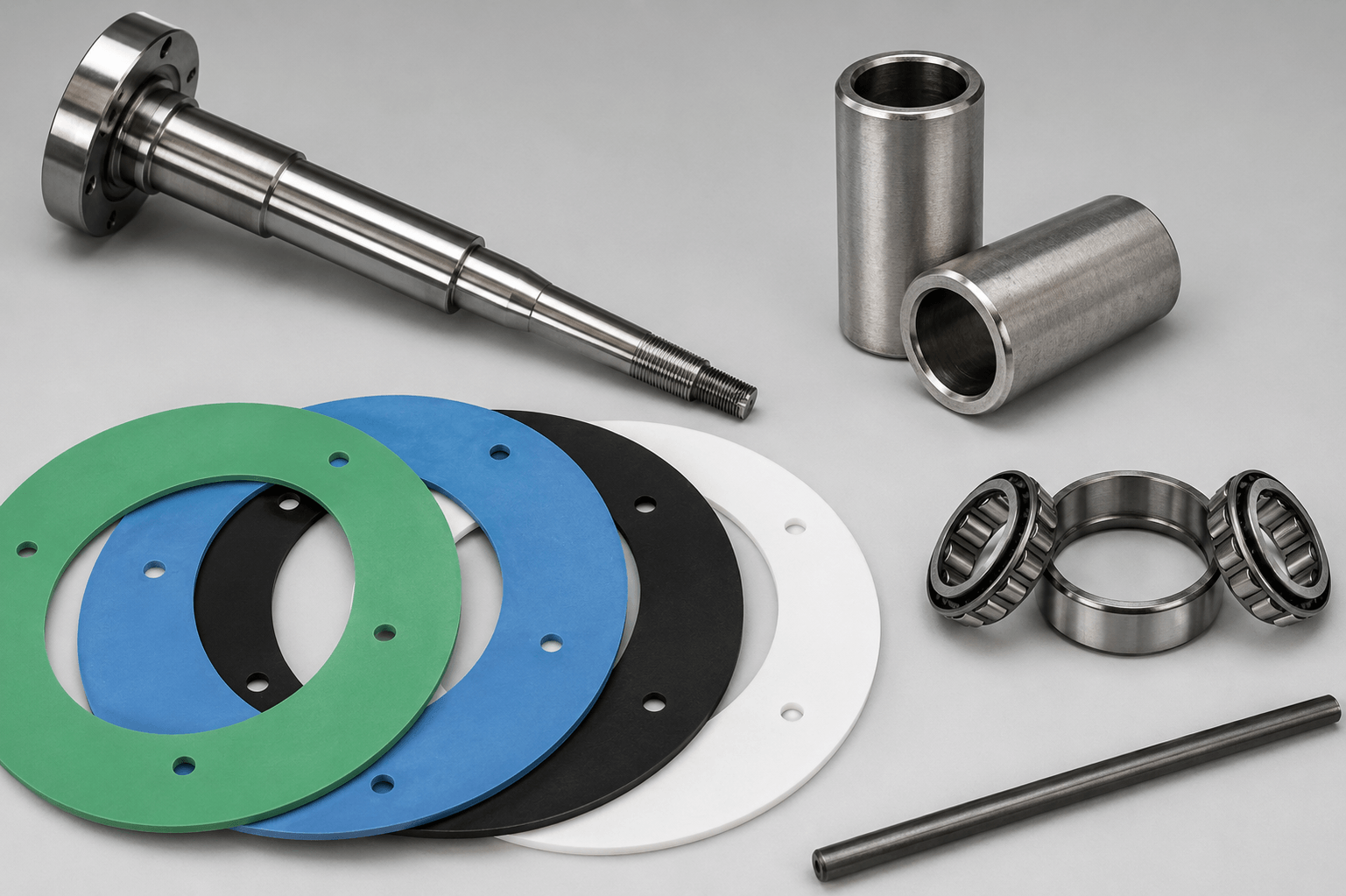
Consumables include seals, bushings, and screen-cleaning balls. These components operate under demanding conditions involving heavy loads and constant vibration.
Low-quality alternatives wear out quickly, which can lead to:
– loss of sealing integrity;
– reduced screen-cleaning efficiency;
– material buildup;
– decreased equipment efficiency.
Drive Heads
The drive system is the “heart” of the screener. It provides the proper motion dynamics of the equipment. Rotex uses heavy-duty drive assemblies designed for long-term, trouble-free operation.
Genuine drive systems:
– ensure stable motion amplitude;
– minimize vibration loads;
– reduce stress on the machine structure;
– improve energy efficiency.
Metal and Welded Components
Housing elements, frames, lower pans, and metal assemblies must have precise geometry for proper equipment operation.
Even minor dimensional deviations in non-genuine parts can cause:
– structural misalignment;
– uneven load distribution;
– accelerated wear;
– additional vibration.
Service Support as the Foundation of Continuous Production
For modern manufacturing, uninterrupted equipment operation is critically important. Even short periods of downtime can result in productivity losses and financial damage. That is why professional service is an essential part of efficient equipment operation.
Rotex Group offers a comprehensive maintenance program that includes:
Personnel Training
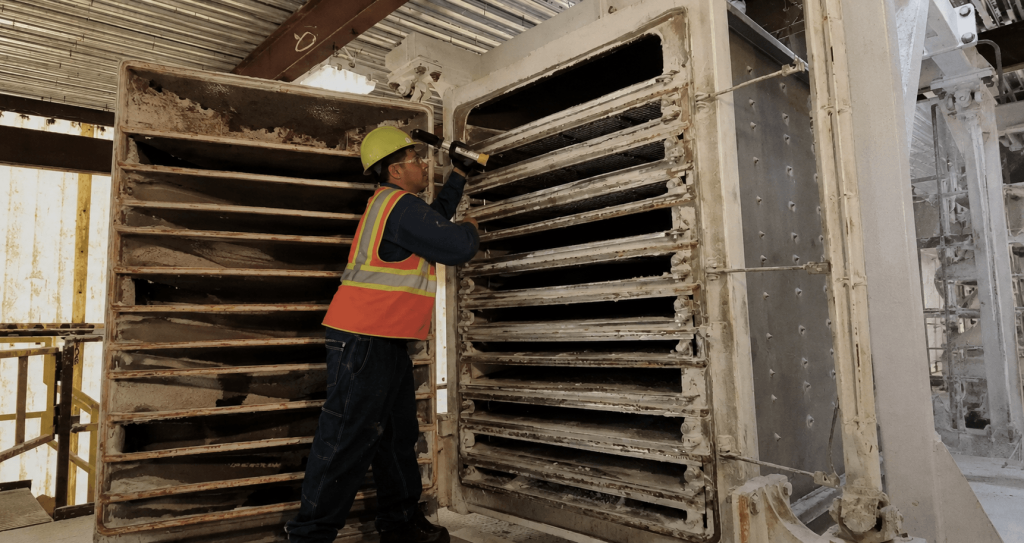
Theoretical and practical training directly on the equipment to help personnel understand system components, preventive maintenance procedures, part replacement, and basic troubleshooting.
Benefits:
– trained staff capable of properly maintaining equipment;
– reduced downtime and higher productivity.
Well-trained personnel can identify problems faster and avoid costly repairs.
Predictive Maintenance
A comprehensive inspection of Rotex equipment before scheduled production shutdowns. The inspection includes equipment performance evaluation, repair or replacement recommendations, and a detailed technical report.
Benefits:
– the ability to prepare and order necessary spare parts in advance;
– optimized repair resources;
– reduced downtime and financial losses caused by unexpected failures.
Equipment Start-Up Assistance
On-site visits by specialists before equipment start-up to verify correct installation and system operation. A detailed report and recommendations are provided upon completion.
Benefits:
– confidence in correct equipment operation;
– personnel training included.
This helps avoid start-up errors and potential equipment damage.
Repair Supervision
Technical support during repair or component replacement to ensure proper installation and prevent additional failures.
Benefits:
– confidence in the quality of repair work;
– minimized equipment downtime.
Troubleshooting and Diagnostics
Rapid specialist response for equipment inspection, identification of failure causes, and selection of the optimal solution.
Benefits:
– professional root-cause diagnostics;
– solutions aligned with OEM manufacturer recommendations.
Reliable Service — The Foundation of Stable Production
The use of genuine spare parts and professional service support are key factors in ensuring long-lasting and uninterrupted equipment operation. High-quality components guarantee precise compatibility, stable performance, and minimized risk of unexpected shutdowns, while regular technical support helps identify and resolve potential issues in a timely manner.
Rotex Group’s comprehensive approach to service, technical support, and OEM spare parts supply enables companies to maintain equipment at maximum operational readiness throughout its entire lifecycle.
As the exclusive partner of Rotex Group in Ukraine, Quiplines provides a professional selection of genuine parts, technical consultations, service support, and assistance with component replacement. This allows our customers to receive fast and effective solutions for maintaining stable equipment operation and minimizing production downtime.
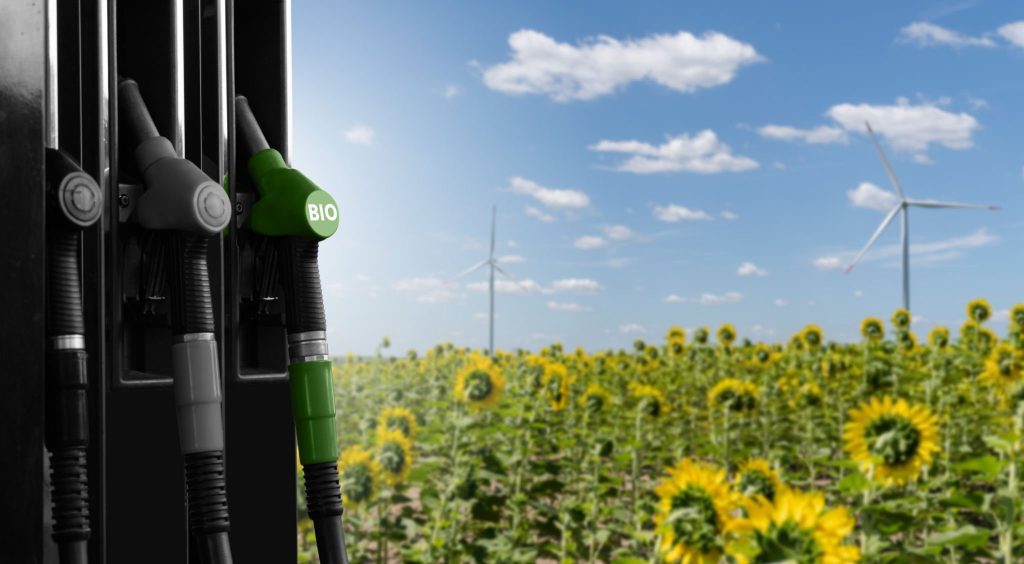
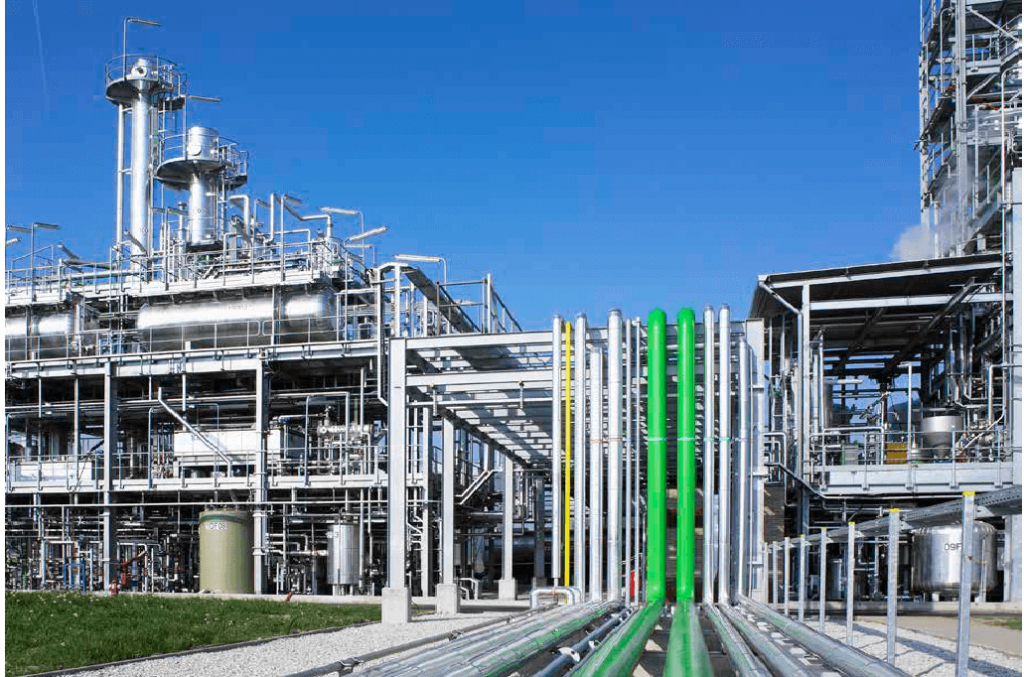
JJ-Lurgibiodiesel technologyis the result of decades of experience in the advanced processing of oils, fats, and oleochemicals.JJ-Lurgi has been designing and engineering biodiesel plants for over 25 years, continuously refining these processes to achieve maximum reliability.
The company’s engineering approach allows for maximizing the return on investment in the shortest possible time. The quality of the final product exceeds the requirements of international standards EN 14214 and ASTM D6751, making it suitable for use in both automotive engines and the production of personal care products.
Feedstock Versatility and Pre-treatment
JJ-Lurgi technology stands out for its high flexibility and allows for the use of a wide range of crude oils for biodiesel production. The process adapts to the customer’s specific feedstock type thanks to a comprehensive approach to purification:
Removal of Impurities: Each plant includes a pre-treatment stage to extract undesirable components from the crude oil.
Purification Methods: The company utilizes deep expertise in chemical and physical refining processes.
Yield Maximization: Free fatty acids, separated during preparation, undergo a re-esterification (glycerolysis) process.
Economic Efficiency: Converting fatty acids back into biodiesel feedstock increases the overall yield of finished products and ensures the long-term profitability of the plant.
Process Flow: From Crude Oil to Finished Ester
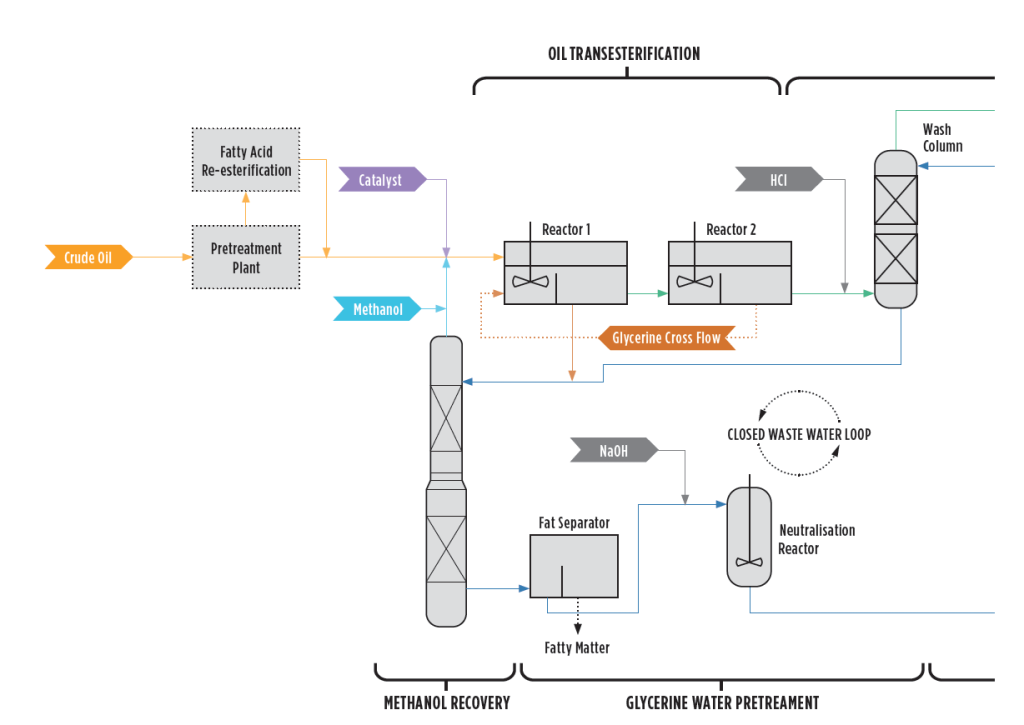
The Lurgi technological chain is designed as an integrated system, where each stage operates for maximum processing efficiency. The process of converting feedstock into biodiesel occurs in a clear sequence:
Pre-treatment: At this stage, crude oil undergoes purification to remove impurities, and free fatty acids can undergo re-esterification to increase the total product yield.
Oil Transesterification: Refined oils are mixed with methanol and a catalyst in multi-stage reactors. The process takes place under mild conditions: at a temperature of approximately 60°C and atmospheric pressure. The use of sequential reaction stages ensures a feedstock conversion depth into methyl esters (biodiesel) of over 99%.
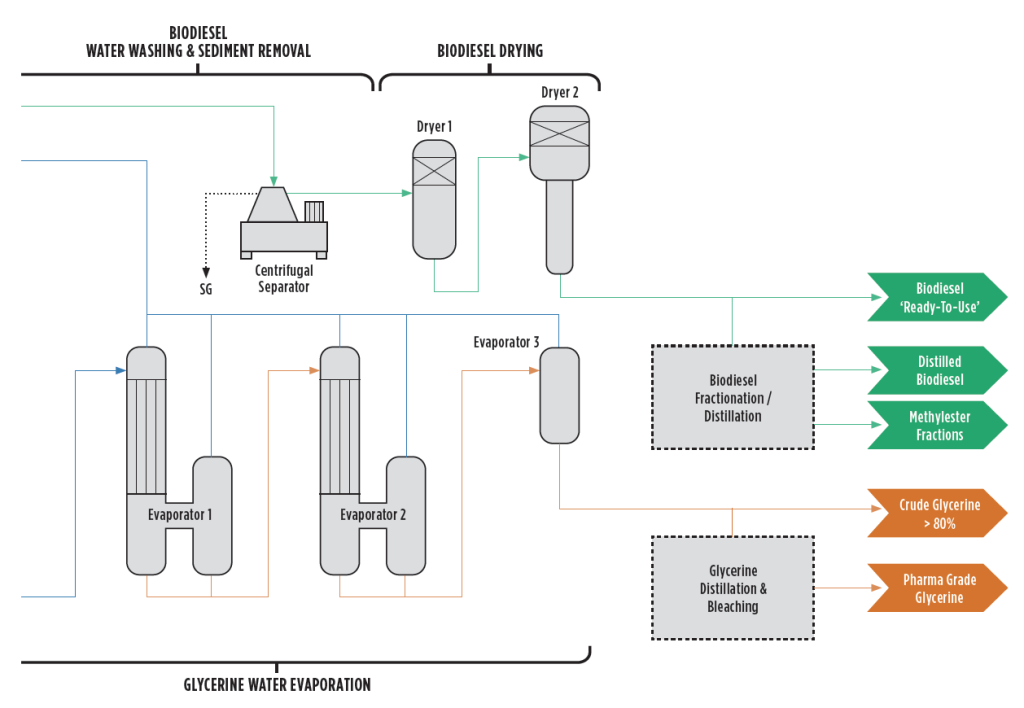
Removal of Impurities and Sediment: Lurgi’s biodiesel washing technology utilizes a counter-flowextraction column in a multi-stage process to ensure maximum contact time and efficiency. The wash water removes free glycerin, methanol, and other soluble polar compounds. Simultaneously, micro-components (such as sterol glycosides and monoglycerides), which typically cause sediment formation in the finished fuel, are agglomerated and removed.
Resource Savings and Phase Separation: The uniqueness of the process lies in the patented glycerin cross-flow scheme. The glycerin formed as a by-product is effectively separated and used to optimize catalyst consumption, significantly lowering production costs.
Biodiesel Drying: A process for removing residual moisture (using dryers) to ensure the stability and quality of the fuel.
Final Product:
– Ready-to-use Biodiesel: A transparent liquid without sediment that meets EN 14214 and ASTM D6751 standards.
– Fractionation / Distillation: Additional processing to obtain distilled biodiesel or specific fractions containing methyl ester for the chemical industry.
Resource Recovery and By-product Quality
The efficiency of a Lurgibiodiesel plant is determined not only by the quality of the fuel but also by the system’s ability to maximize the return of resources into the production cycle and obtain valuable by-products.
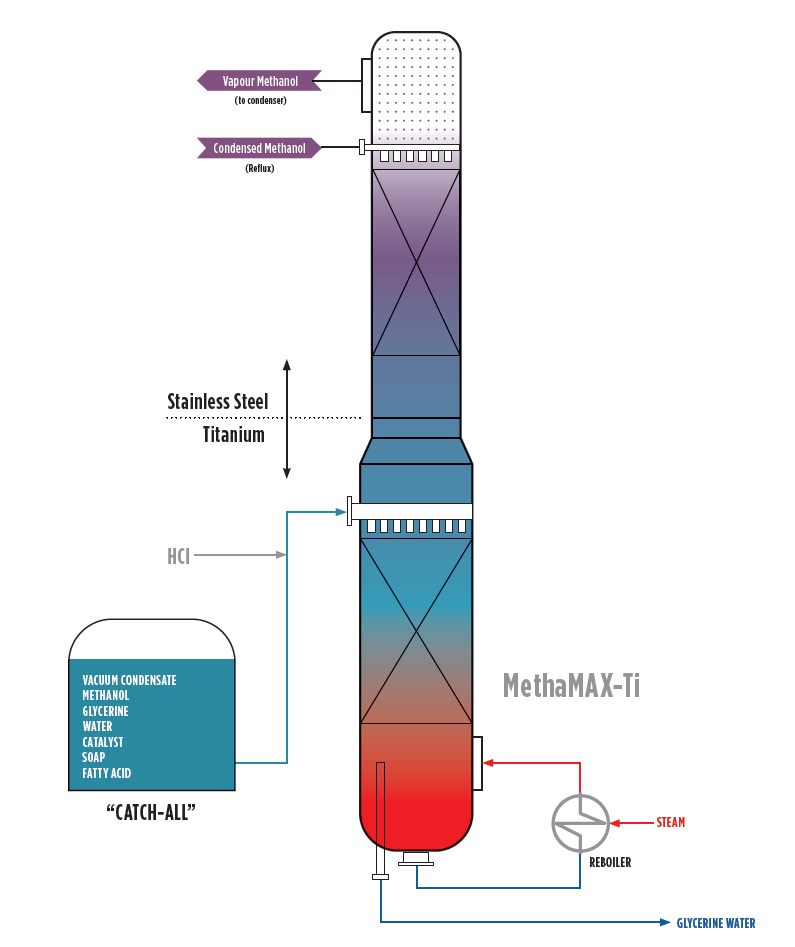
MethaMAX-Ti System: The CATCH-ALL concept centralizes methanol recovery, ensuring its recovery up to 99.95%. The lower part of the column is made of high-quality titanium, allowing it to withstand extreme process conditions such as low pH and high temperature.
Glycerine water pretreatment: Before further processing, water containing glycerin undergoes purification and neutralization stages (specifically with hydrochloric acid to remove traces of soap).
Glycerine water evaporation: A process of concentrating glycerin by removing moisture, which is subsequently reused in a closed-loop wastewater circuit, minimizing waste discharge.
Final Product:
– Crude Glycerin (> 80%): Obtaining a high-concentration intermediate product for industrial needs.
– Glycerin Distillation and Bleaching: The use of sodium and chlorine during synthesis ensures high glycerin purity, which can be processed with minimal losses. Thanks to Lurgirefining technologies, pharmaceutical-grade glycerin of the highest quality is produced, suitable for use in medicine and cosmetology.
Environmental Friendliness and Advantages of the Finished Fuel
The final stage of the Lurgitechnological cycle demonstrates high environmental responsibility and guarantees the impeccable quality of the end product.
Environmental Protection: Thanks to the closed-loop wash water system, wastewater discharge is minimized, ensuring “zero discharge” from the main technological units.
Energy Efficiency:Transesterification processes at low temperatures and atmospheric pressure significantly reduce the energy consumption of the entire complex.
Maximum Product Yield: The technology allows for the production of one kilogram of biodiesel for every kilogram of feedstock.
Purity and Stability: The final biodiesel is a transparent liquid without sediment that remains stable over a long period.
Compliance with Standards: Low content of monoglycerides, moisture, and methanol ensures quality that exceeds the requirements of international standards.
Ready for Use: The product is fully ready for diesel vehicles and engines without the need for additional processing.
Quality That Exceeds International Standards
Biodiesel technology from JJ-Lurgiis a benchmark for reliability and efficiency in the modern oleochemical industry. More than a quarter-century of engineering experience has been embodied in a solution that allows for the processing of a wide range of feedstocks with minimal losses and maximum environmental protection.
Thanks to the use of advanced components, such as the MethaMAX-Ti column and the centrifuge-free washing system (extraction column), producers obtain a product of the highest purity and valuable purified glycerin. The global presence of the company and support through a network of professional partners ensure the successful implementation of projects of any complexity.
It is important to note that Quiplines LLC is the sole official representative of JJ-Lurgi in Ukraine, providing our clients with direct access to original technologies, expert engineering support, and the highest level of service.
Contact us!Our specialists will provide a comprehensive consultation, help you navigate the technical nuances, and professionally select the optimal solution that meets your specific production needs.
The quality of compound feed begins with proper preparation of raw materials. Mechanical processing is not merely a change in the shape of the grain, but a strategic tool for managing its nutritional value. Optimal particle size increases feed digestibility, improves pellet quality, and directly impacts feed conversion. As an expert in selecting technological solutions, Quiplines helps implement these standards in your production. Using industrial solutions from CPMin our projects allows us to build a flexible line capable of efficiently processing any raw material: from coarse plant waste to high-energy grain crops.
The Effect of Mechanical Processing of Raw Materials on the Nutritional Value of Feed
The efficiency of animal feeding depends largely on the physical structure of the feed, which determines the contact area between nutrients and digestive enzymes and microflora. Mechanical processing, particularly grinding and rolling, increases the digestibility of starch, proteins, and fats, optimizes digestion, and improves animal productivity.
Poultry and Swine For monogastric animals, a uniform grind of medium and fine fractions is important. This ensures rapid and complete nutrient absorption. An excessively fine grind can create dust, increase feed losses, and disrupt digestion; therefore, a balance between particle size and structural integrity is crucial.
Cattle Ruminants require feed that stimulates rumen activity. Flaked grain ensures slow starch fermentation, supports chewing activity and salivation, prevents metabolic disorders, and increases nutrient absorption.
Aquaculture (fish) For fish, ultra-fine grinding is used to produce dense pellets that are resistant to dissolution in water. This structure reduces feed loss, is adapted to the fish’s short digestive tract, and promotes complete nutrient absorption.
Thus, the correct choice of mechanical processing methods for raw materials increases the biological value of the feed and allows it to be adapted to the needs of different animal species, ensuring high feeding efficiency.
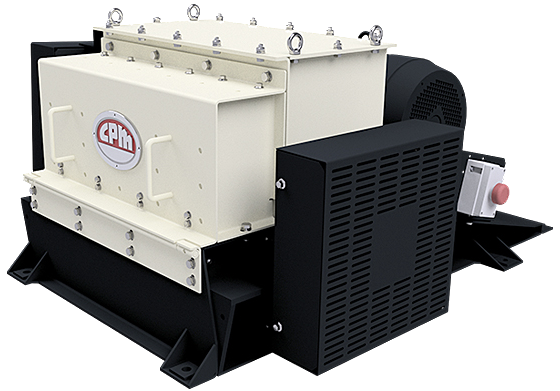
Primary processing of bulk materials: Shredder-Finisher
In modern compound feed production, the primary processing stage plays a critical role—converting heterogeneous, caked, or bulky raw materials into a flow suitable for precise dosing. Standard crushers often struggle with low-density materials, whereas CPM’s industrial shredder is specifically designed for “heavy-duty” primary processing.
Removal of lumps and deagglomeration
One of the biggest problems at feed mills is the caking of raw materials (meal, bran, additives) during storage in silos.
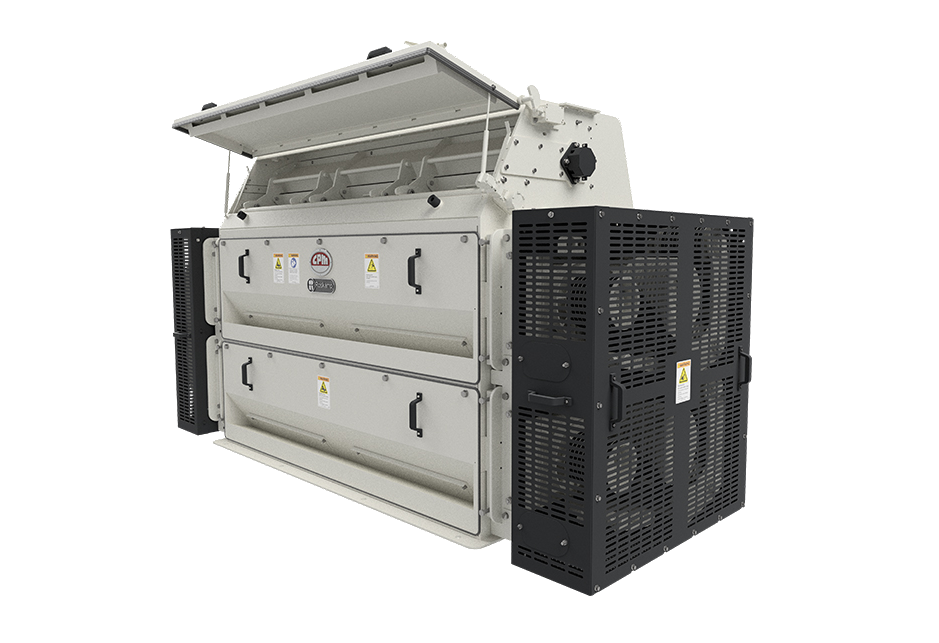
– Agglomerate Disintegration: The shredder is ideal for “finishing” the processing of caked materials. It breaks up lumps and agglomerates, restoring the raw material’s original flowability.
– Preventing line blockages: Removing lumps at an early stage ensures that screw feeders and dosing units operate without interruptions, guaranteeing perfect recipe accuracy.
Processing benefits for the line
– Preparation for mixing: After the shredder, the raw material becomes homogeneous. This is critical for processes where coarse components must be evenly distributed throughout the bulk material without forming voids.
–Reduced load on the main crusher: Preliminary coarse grinding by the shredder allows the main hammer crusher to operate in a stable mode with higher productivity and less screen wear.
Result: You get a stable, lump-free raw material flow that is easy to transport, accurately dosed, and interacts as effectively as possible with other components of the compound feed.
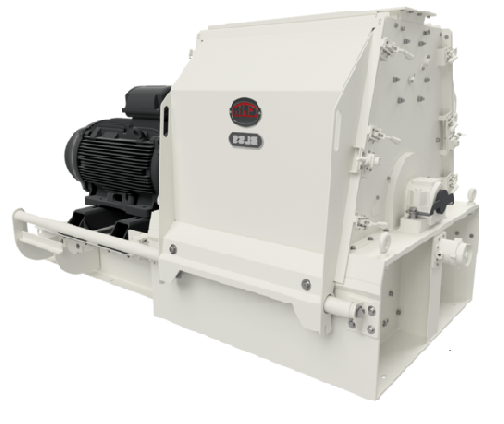
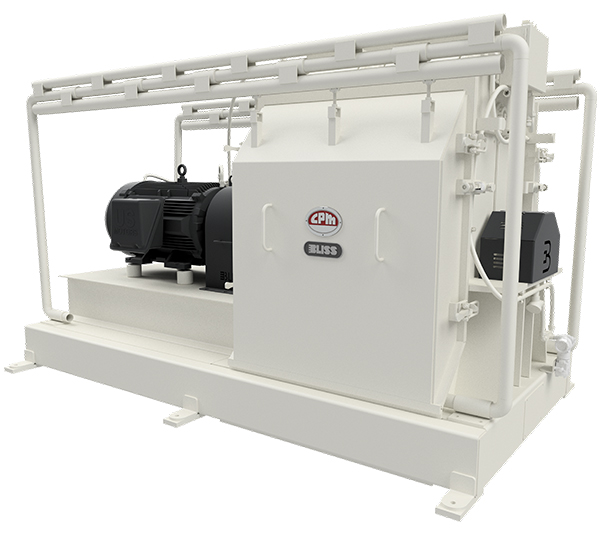
CPM’sline of hammer mills is the result of decades of engineering improvements aimed at achieving maximum productivity with minimal energy consumption. Depending on production requirements and regional standards, the company offers the following key equipment series:
HM Series: The Universal Industrial Standard
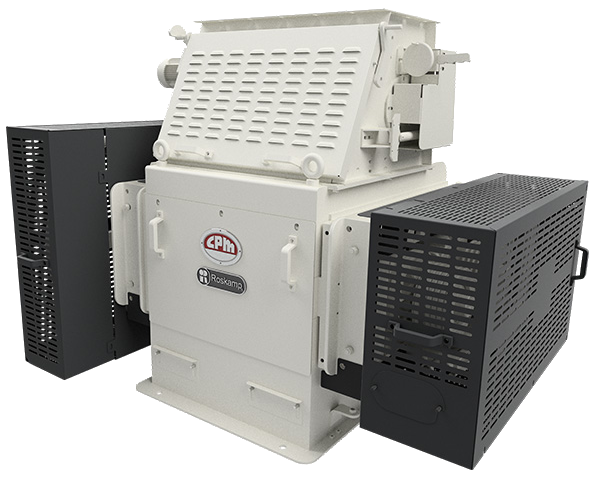
The HM Seriesis designed for the most demanding applications in animal feed, aquaculture, and ethanol production. It offers the best balance of performance and energy efficiency.
– Standard equipment: Premium diamond hammers, bearing temperature sensors, fully adjustable vibration safety switches, and replaceable AR235 wear-resistant liners as standard.
– Patented geometry: A unique grinding chamber shape and a special design for secondary grinding. This ensures that grain particles are instantly discharged through the screen as soon as they reach the desired size.
– Full access: The crushers are equipped with solid doors mounted on unique swivel brackets. They slide completely to the side, giving the operator unobstructed access to the entire width of the crusher.
– Technical excellence: Power range from 50 to 500 horsepower. High-density frames minimize noise and vibration, while dynamically balanced rotors ensure smooth operation for many years.
EMF Series: Efficiency and Innovation
The EMF seriesis designed to meet strict European standards. It is ideal for integration into highly automated production lines with strict energy consumption controls.
– Flow Optimization: The EMF design provides an ideal balance between stroke speed and suction area, allowing for a uniform product with lower energy consumption.
– Quick Maintenance: The central-pivot carriage allows screens to be replaced in minutes without special tools.
– Safety: Features key locking and full integration of monitoring sensors into the control system.
ER Series – Exceptional reliability for heavy-duty applications
The ER Seriesis designed for operations where equipment runs at full capacity 24/7, processing the most challenging and abrasive raw materials.
– Ease of maintenance: The crusher features a full-access door, allowing the operator to quickly replace hammers and service internal components.
– Extreme durability: The housing and bearing assemblies are designed for maximum mechanical loads. This is the “heavy artillery” for processing oilseed meal, bran, and other heterogeneous raw materials.
– Minimal downtime: The combination of a reinforced rotor design and wear-resistant housing materials makes the ER series a leader in terms of maintenance cost per ton of product under harsh conditions.
Roller Mills and feed structure optimization
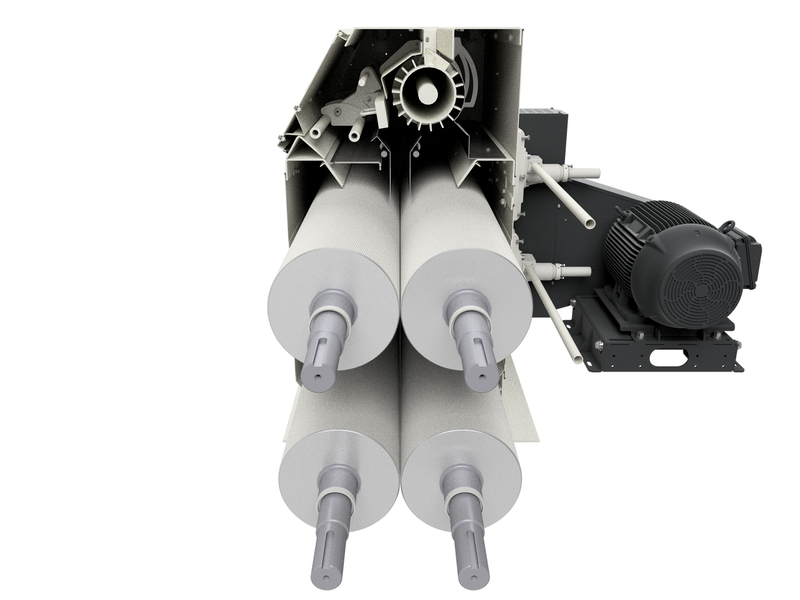
The CPM 1200 and 1600 series industrial roller mills are designed for the precise grinding of grain and protein components in compound feed, ensuring a uniform particle size—which is critical for the even mixing, dosing, and pelleting of feed for various animal groups.
The mills effectively process corn, wheat, soybeans, and other grain and protein ingredients, allowing the degree of grinding to be adjusted according to the animals’ needs: a fine fraction for poultry and pigs, and a coarser one for ruminants. Adjustable rollers and rotation speed control ensure consistent particle size, which improves nutrient digestibility and increases feeding efficiency.
1600 Series
The 1600 Series roller millsare designed for the most demanding grinding applications. Corrugated rollers and variable speeds allow the mills to be adapted to different types of raw materials. The model is available in two-, four-, and six-roll configurations with a roll diameter of 16 inches and a power range from 50 to 300 horsepower. Unique bearing assembly guides ensure precise and stable production, and the mill’s design allows for integration into automated production lines, guaranteeing high productivity around the clock.
1200 Series
The1200 Series rollercrushers are also designed for demanding crushing applications. The corrugated rollers and differential speed ratios ensure consistent crushing quality. The model is available in two-, four-, and six-roll configurations with a roll diameter of 12 inches and a power range from 30 to 225 horsepower, making it a versatile solution for the feed industry.
The design of the 1200 and 1600 series mills ensures reliable operation with large volumes of raw materials, high grinding precision, as well as durability and ease of maintenance, making them ideal equipment for modern feed production lines.
High-Tech Flaking: Professional Flaking for Maximum Feed Nutrient Content
When a manufacturing process requires not just grinding, but the production of fine flakes with a specific density and texture, CPM’s specialized FX seriesindustrial flakers are used. This equipment is the industry standard for the production of high-energy cattle feed and the processing of oilseeds.
– Reliability and precision: The flakers are designed for continuous operation under the harshest industrial conditions. The heavy-duty steel housing and reinforced bearing assemblies ensure stable roller operation even under extreme hydraulic pressure.
– Hydraulic control system: The adjustment system allows the gap between the rolls to be set with precision. This ensures uniform flakes of consistent thickness across the entire working width, which is critical for subsequent heat treatment.
– Maximum service life: The rollers are made of a special wear-resistant alloy that can be reground multiple times, and the use of a single-drive motor ensures high efficiency, a long service life, and low operating costs per ton of product.
The use of professional flakers allows for achieving the maximum level of starch gelatinization in the grain. This not only increases the nutritional value of the feed but also creates an ideal structure that is best digested by animals.
Operation, Service, and Automation: Investment Protection and Consistent Quality
CPM’s professional solutions are not merely mechanical components, but intelligent systems designed to minimize human error and the risk of breakdowns. To ensure durability and maximize the efficiency of the crushing section, the following solutions are implemented:
– Multi-level magnetic protection: The installation of high-efficiency magnetic separators and stone traps at the system inlet is mandatory. This is critical for 1200/1600 roller mills, where even a small metal object can damage the roller surface, and for HM series crushers, where foreign objects cause rotor imbalance.
– Roll Protection: The 1200/1600 series industrial mills feature a system that instantly separates the rolls if a foreign solid object enters, preventing critical damage to the expensive working surface.
– Intelligent feeding systems: Grinding efficiency depends 50% on the uniformity of the feed. The use of screw or pocket feeders with frequency control allows for maintaining maximum motor load without the risk of chamber clogging.
– Aspiration and temperature control: Fine grinding in the ER and HM series is accompanied by heat generation. Powerful aspiration systems not only cool the product, preserving heat-sensitive vitamins, but also create a vacuum that literally “pulls” the fine fraction through the screens, increasing productivity by 15–20%.
– Vibration and Bearing Condition Monitoring: Modern sensors allow for the detection of crusher rotor imbalance or roller bearing wear at early stages. This prevents emergency shutdowns and enables the planning of maintenance work in advance.
– Automatic gap adjustment: Integration with control systems allows the distance between the rollers or the rotor speed to be automatically adjusted based on the recipe, ensuring perfect consistency in feed quality from batch to batch.
Technological grinding as the foundation of efficient livestock farming
A modern raw material processing line is a balanced combination of power and precision. The use of shredders for coarse materials, universalhammer mills of the HM, ER, andEMF series for main ingredients (including micro-ground feed for aquaculture), and roller mills of the 1200/1600 series for grinding enables the creation of a production process of the highest standard. CPM solutions provide process flexibility, reliability, and consistently low energy consumption. By choosing this equipment, the manufacturer invests not only in the machinery but also in the consistent quality of the finished product, which is a key factor in profitability in modern agribusiness.
Looking to modernize your grinding section and improve feed quality?
If you aim to achieve the ideal particle size distribution, reduce energy costs per ton of product, and ensure uninterrupted 24/7 operation of your equipment, Quiplines will be your reliable partner in implementing CPM’s cutting-edge technologies.
We offer comprehensive solutions for your success:
– Comprehensive support: Full management of the ordering and delivery process for equipment and components directly from the manufacturer.
– Professional selection of grinding systems: Analysis of your raw material base and selection of optimal models—from versatile hammer mills to high-precision roller mills.
– Commissioning and Service: We perform commissioning work, provide professional start-up services, and train your staff. Quiplines LLC offers a full range of service support at every stage.
– Genuine spare parts: Selection and supply of certified components—hammers, rollers, and bearing assemblies—that guarantee maximum service life and consistent grinding quality.
Contact us today! Our specialists will help you select and order equipment that will give your compound feed production a competitive edge in the market. Follow our new projects on LinkedIn and Facebook.
Modern oilseed crushing and oil extraction operations demand maximum continuity. Any stoppage of core equipment is not only a technical issue but also a direct financial loss. One of the most hidden yet significant risks is the gradual fouling of the working zones of screw presses. The traditional approach of manual cleaning is becoming obsolete, giving way to intelligent real-time systems.
Below, we explain why strainer cleanliness is a critical profitability factor and how the Foots Flushing Device (FFD) ensures stability of your production cycle.
Build-up of solid impurities in a screw press as a process risk
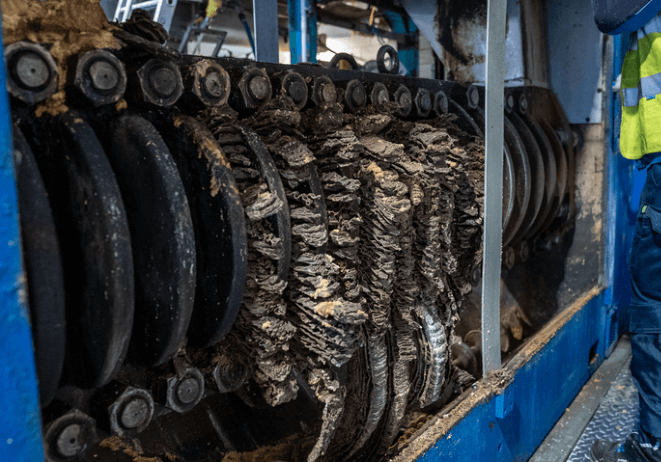
In screw presses, solid particles can gradually adhere to the strainer. From a process engineering perspective, this is critical because deposits:
– create the need for manual cleaning and unplanned process shutdowns.
– disrupt the optimal pressure profile along the pressing zone;
– increase hydraulic resistance, causing the system to operate under “overload” conditions;
– reduce throughput and make it harder to achieve low residual oil content in the meal/cake;
In the worst-case scenario, progressive build-up can lead to serious press malfunctions and costly downtime (repairs + lost production). That is why keeping the press working zones clean is not an “optional add-on” but a key factor of process reliability.
Capabilities and advantages of flushing technology
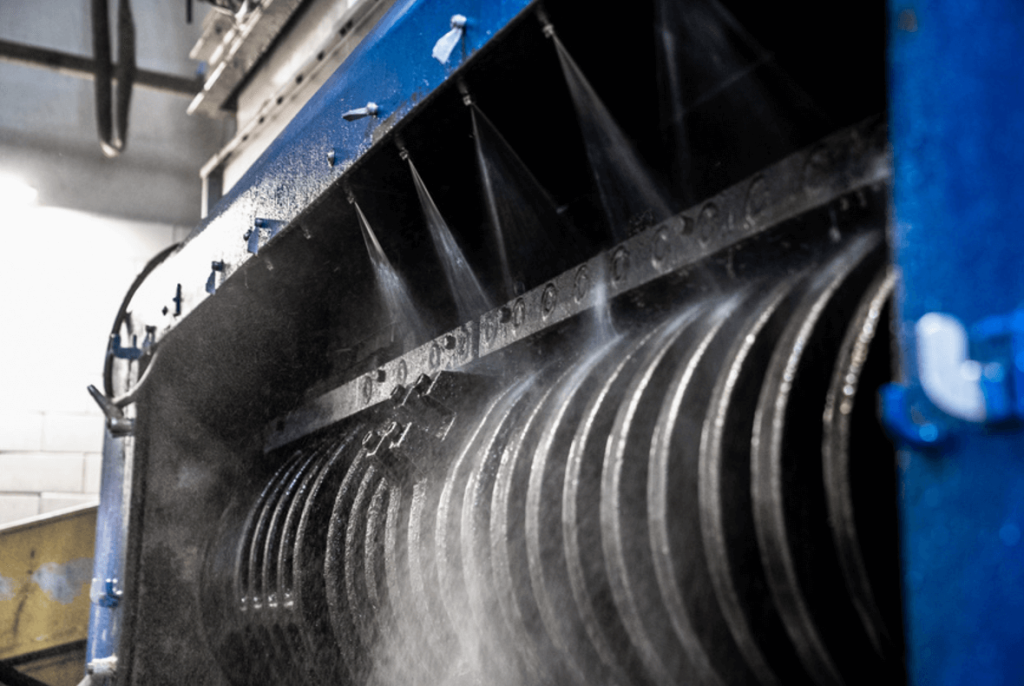
Foots Flushing Device (FFD) is a patented solution by HF Press + LipidTech that enables automated, continuous flushing of the strainer section while the press is running.
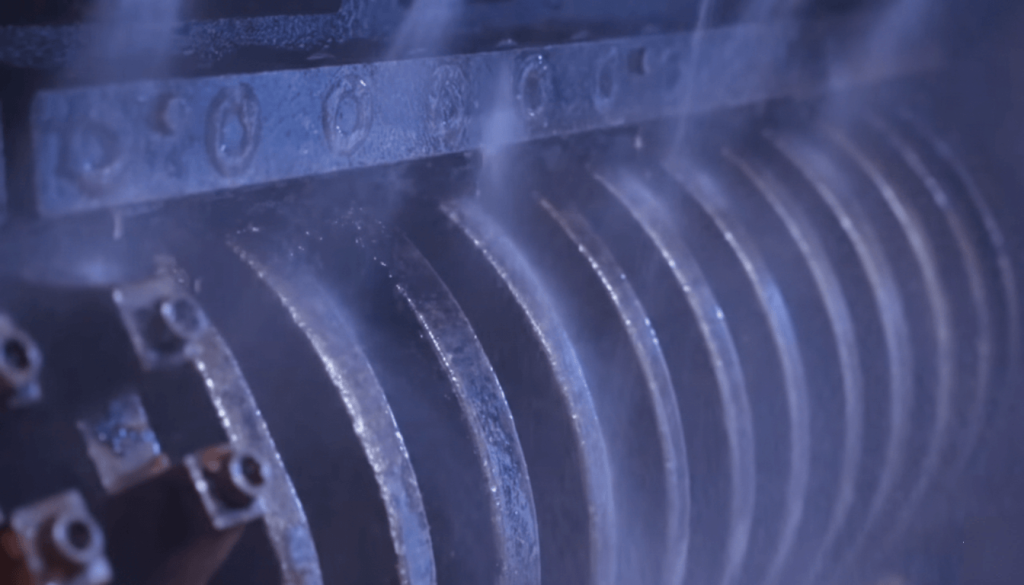
During operation, it continuously flushes the strainer, maintaining stable filtration and pressing conditions and preventing deposits from forming – rather than removing them after the fact, when they already affect pressure, capacity, and oil yield/quality.
Key technological features:
– designed to minimize production interruptions and improve operational safety (less manual intervention in press assemblies).
– continuous flushing of the cage zone, supporting stable filtration and pressing conditions;
– intelligent nozzle technology that delivers targeted action on surfaces where build-up occurs most frequently;
A major engineering advantage is compactness: the system can be integrated into almost any press. For presses of other brands, we perform a preliminary audit to ensure seamless module integration.
Payback: saving time and resources
From an economic standpoint, FFD delivers value across several dimensions:
Increased Overall Equipment Effectiveness (OEE) Stops for manual cleaning mean lost output and an unstable production schedule. Automated flushing reduces the need for such stops, increasing effective equipment availability.
Reduced operator workload Less manual cleaning frees the team’s time for parameter control, preventive maintenance, and quality -tasks that directly impact results and safety.
Better process controllability Clean working surfaces mean a stable operating mode. This makes it easier to tune the press to your specific feedstock and target KPIs – without “surprises” under high loads.
Implementation typically starts with a short technical assessment of the press: key dimensions, available connections, operating mode, and installation requirements. After that, the system is installed as a compact module and begins improving process stability from day one.
Controlled stability that converts into profit
Implementing the Foots Flushing Device (FFD) from HF Press + LipidTech turns service maintenance from forced downtime into an automated, concurrent process. Instead of fighting the consequences of fouling, you gain control over pressing stability without the risk of sudden overloads. This allows the plant to maximize productive runtime, free up personnel resources, and ensure predictable production economics.
Want to implement FFD on your press? Contact us for additional information: we will help assess compatibility, select the right configuration for your press (HF or other manufacturer), and provide technical recommendations for integration and start-up.
The modern oil and fat industry is characterized by the transition to full automation and maximum energy efficiency. The use of integrated lines from world leaders such as CPM, Rotex andHFallows for a consistently high oil yield with minimal energy consumption. The basis of success is the synergy of specialized equipment at each stage: from primary seed cleaning to granulation of production waste.
Primary purification and separation of raw materials
The process of cleaning and separating raw materials is one of the first and most important stages in the production of vegetable oil. Cleaning seeds from various impurities – dust, plant residues, stones, skins, sand particles – is critically important for subsequent successful pressing or oil extraction.
Rotex technologies have gained recognition due to their efficiency and reliability in cleaning grain raw materials. In this context, the most common models are MEGATEX Grain Cleaner, Apex and Rotex, which are used to process various types of seeds.
Rotex Industrial Separator is an industrial separator that has become the industry standard in the oil and fat industry due to its reliability, accuracy and versatility. Equipped with an automatic screen tensioning system and effective screen cleaning with balls, this separator ensures consistent oil quality, minimizes raw material losses and reduces rejects of suitable material. Rotex is used in the most difficult conditions and is a reliable choice for seed cleaning in vegetable oil production processes.
Apex Industrial Screeneris a new generation of gyroscopic screeners that is characterized by high separation accuracy, efficiency and an intuitive design for easy maintenance. With improved access to the screens and trays, allowing one-man maintenance of the equipment, downtime is reduced and production safety is increased. The Apex is ideal for separating impurities from seeds before further processing in oil extraction or pressing processes.
MEGATEX Grain Cleaneruses multi-layer screening technology, which ensures the effective separation of light impurities, dust and other unwanted particles from seeds entering the oil and fat production. This device is ideal for quickly sorting and cleaning raw materials according to various parameters, such as size, weight or density of particles. MEGATEX has a high throughput and ensures consistent product quality, minimizes raw material losses and increases the efficiency of the production process in the oil and fat industry.
Technological preparation and conditioning of raw materials
The stage of preparation and conditioning of oilseeds is decisive for the efficiency of pressing and extraction of vegetable oil. Properly selected equipment allows you to optimize the structure of the material, improve oil yield and reduce fat losses. Solutions from CPM (California Pellet Mill) and HF Group are widely used in the oil and fat industry due to their reliability, high productivity and stable processing quality.
Raw material preparation begins with raw material grinding. Cracking Mills are designed for grinding oilseeds (sunflower, soybean, rapeseed) before flattening and heat treatment. The equipment provides controlled destruction of the shell with minimal damage to the kernel, which creates optimal conditions for further oil extraction. Uniformity of splitting increases the efficiency of conditioning and stability of the operation of presses and extraction systems. The use of cooled cast iron rollers and self-aligning bearings ensures a long service life and minimal maintenance costs.
In order for the solvent or press to easily “get” the oil, the raw material needs to be turned into a thin film, so CPM Flaking Mills are used in the future. This is a high-performance equipment specially designed for pressing/flattening oilseeds (and other grain materials), which guarantees uniform thickness and quality of flakes. Equipped with centrifugally cast iron rollers, a solid base to reduce vibrations, double spherical bearings and a roller feeder with a separate drive.
The final stage is the “softening” of the raw material. This is where HF Conditioners come into play, which are an integral part of technological lines for preparing oilseeds for pressing or extraction. Their main task is to ensure the optimal combination of humidity and temperature, which helps to increase the efficiency of further oil extraction and improve the quality of the final product. Thanks to sophisticated heating and mixing systems, the equipment guarantees uniform heat treatment of even large volumes of raw material. The use of rotaryand drum conditioners allows you to increase oil yield, reduce the load on the presses, and ensure the stability of the entire production process.
Vegetable oil extraction and pressing technologies
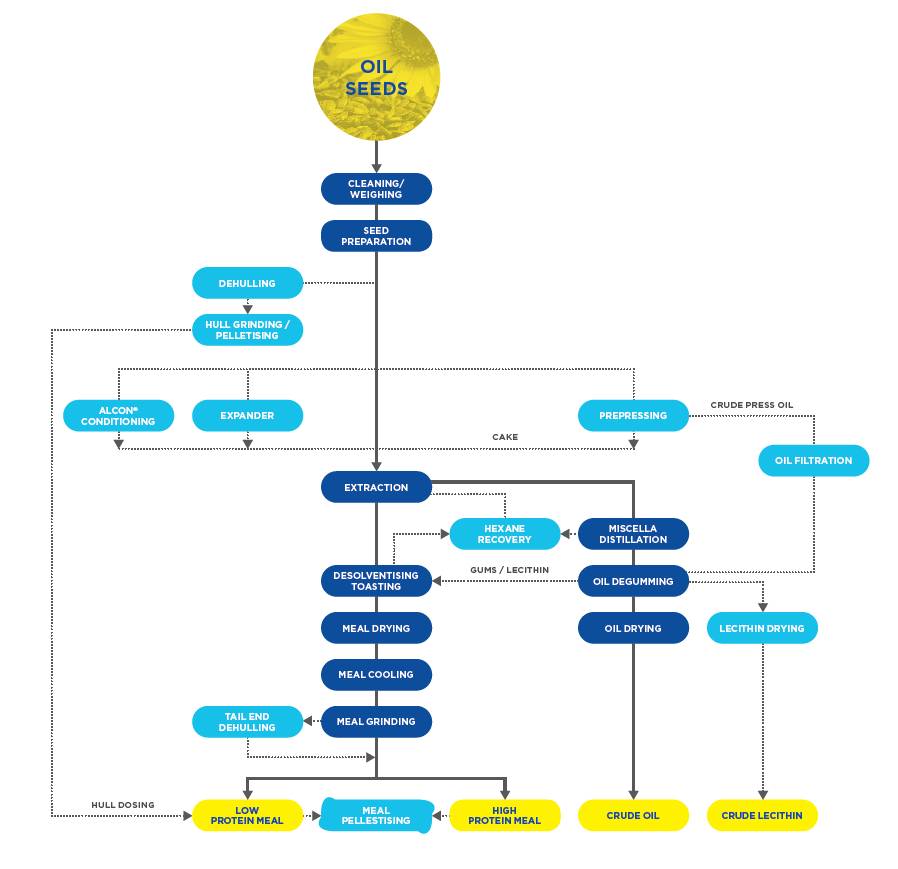
The extraction and pressing stage is key in the production of vegetable oil, as it is at this stage that the fat is directly extracted from the prepared raw material. Depending on the chosen technological scheme, mechanical pressing, solvent extraction or a combination of both are used. Modern solutions from HFand Lurgiensure high efficiency, stable product quality and economic feasibility of production.
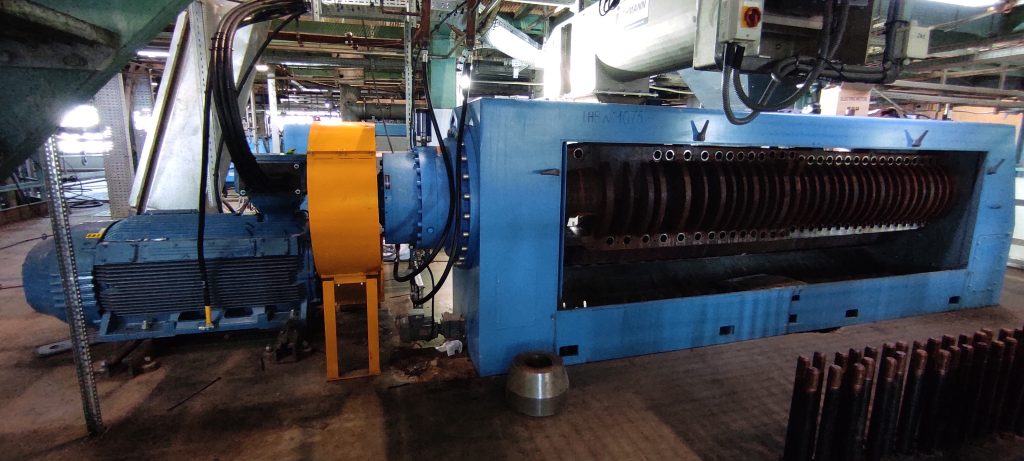
The first stage of pressing oil from already prepared raw materials is mechanical pressing using screw presses from HF. The principle of their operation is based on the gradual compaction of the material along the screw, which creates high pressure and ensures the separation of the oil from the solid phase. Such presses are widely used for the production of crude oil and pre-pressing before extraction.
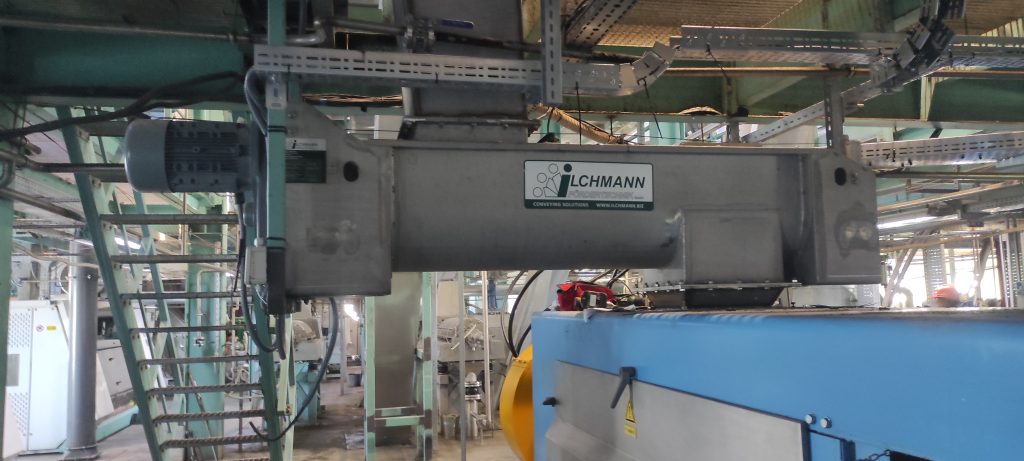
For Kyiv-Atlantic Ukraine LLC, in order to increase the productivity and stability of the sunflower and rapeseed processing line, a project was implemented to implement a high-quality and reliable HF Press + LipidTech screw oil pressin combination with an Ilchmann dosing feeder. The implemented solution ensured a uniform supply of raw materials, optimal pressing modes and increased oil yield, which positively affected the overall efficiency of production.
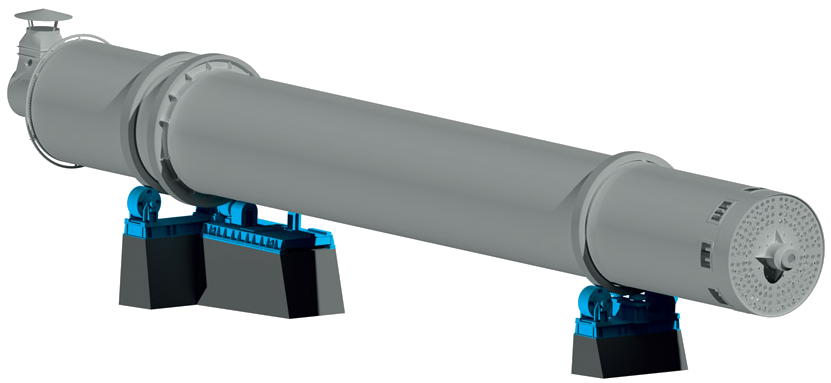
After pressing, the cake needs to stabilize its physical and chemical parameters before further extraction. For this purpose, dryer-coolersare used, which are designed for effective thermal treatment of flattened raw materials. Due to the design with increased strength, the equipment ensures reliable and stable operation even in the most difficult production conditions. The modular system allows you to use the machine not only as a dryer or cooler, but also flexibly adapt it to the specific needs of the enterprise due to various loading options, heat exchangers and air exhaust.
To obtain maximum production, the cake (or specially prepared flakes) after the press and dryer is sent for extraction. Lurgiextraction technologies are the world standard in industrial extraction of vegetable oil using solvents (hexane). The extraction process allows you to extract the most oil from the cake remaining after mechanical pressing or directly after flattening the raw materials. The technology includes raw material preparation, continuous extraction in the Lurgi Sliding Cell Extractor (SC Extractor 3.0), distillation of mistel, and complete recovery of the solvent. Due to optimal contact between the flakes and the solvent, high efficiency of oil extraction is achieved with minimal losses.
JJ-Lurgisolutions are complemented by highly efficient DTDC (solvent separation, evaporation, drying and cooling) systems that ensure low residual hexane content, energy efficiency of the process and compliance with modern safety and environmental requirements.
Efficient solutions for internal transportation
The efficient operation of an oil and fat plant is impossible without reliable transport systems that ensure continuous and gentle movement of raw materials and processed products between technological stages. Ilchmannequipment is widely used in the oil and fat industry due to its high reliability, flexibility of configurations and careful transportation of seeds and meal.
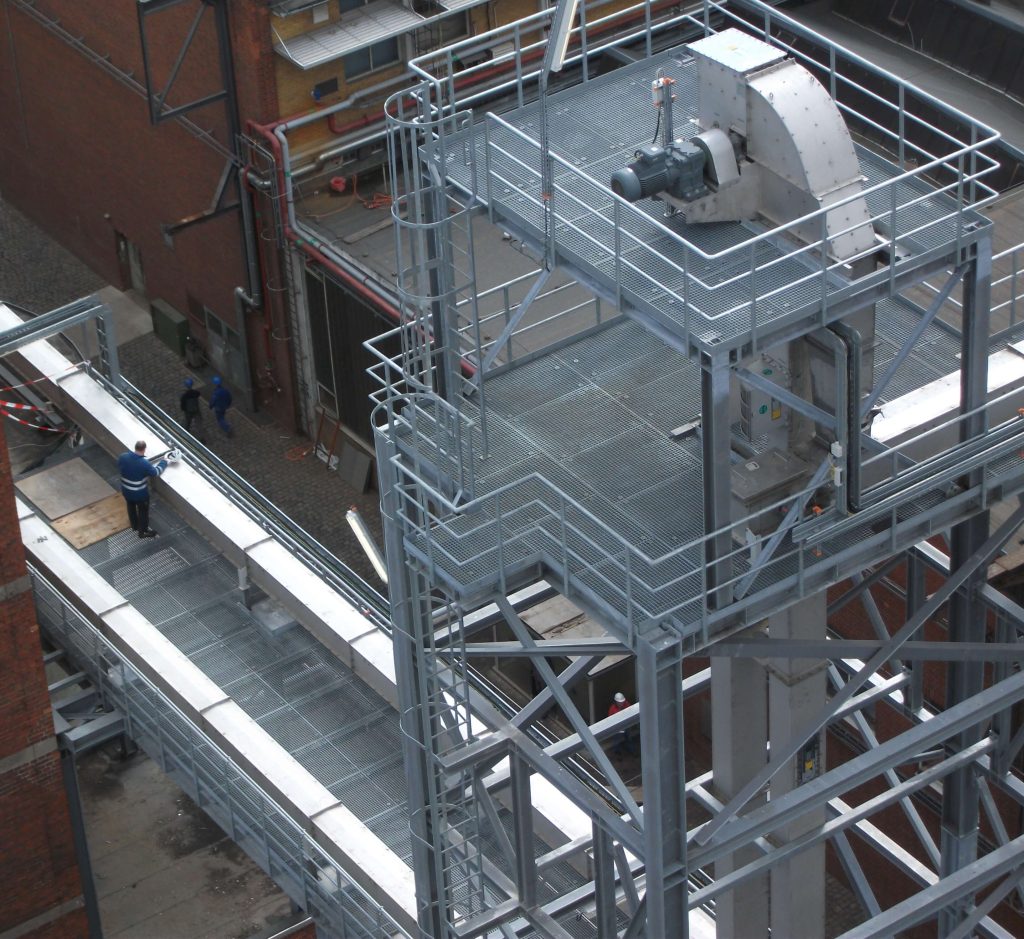
The processing process often begins with lifting the seeds to the upper tiers for cleaning or loading into bunkers. In such cases, bucket elevatorsare used, which are designed for vertical transportation of oilseeds, meal and other bulk materials. The design of Ilchmann elevators ensures a stable product supply with minimal particle damage and low dust generation. This is especially important for fast and safe product movement to a considerable height while preserving the structure of the raw material.
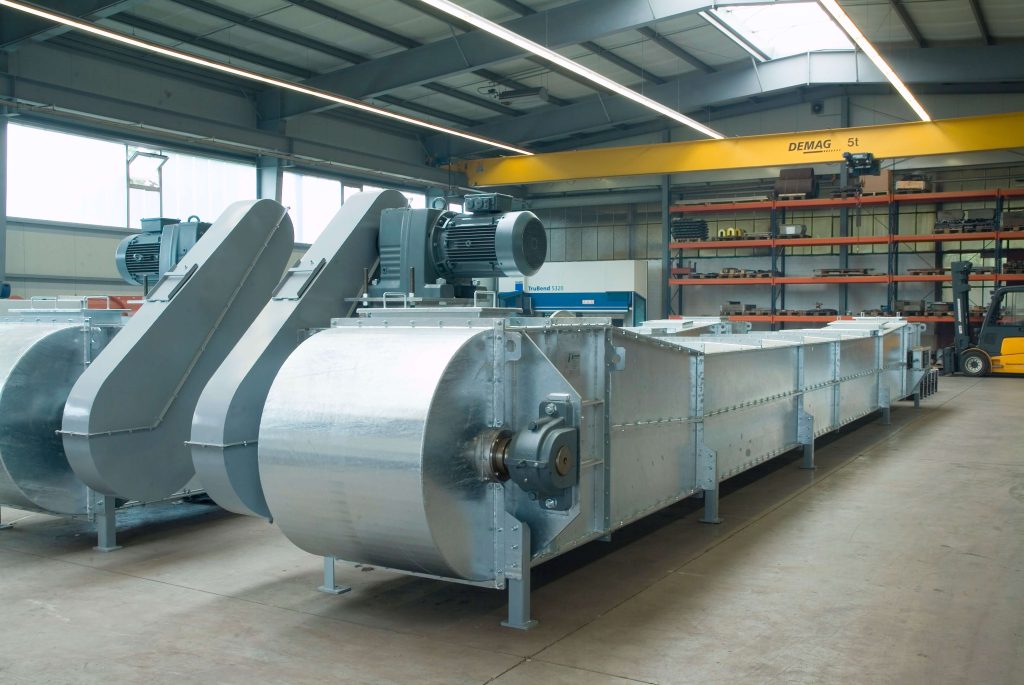
Chain and screw conveyorsare used for horizontal or inclined movement of raw materials and processed products. They ensure uniform material movement, gentle handling of meal and seeds and minimal losses during transportation. Ilchmann conveyorsare easily integrated into process lines and can operate continuously even in difficult production conditions.
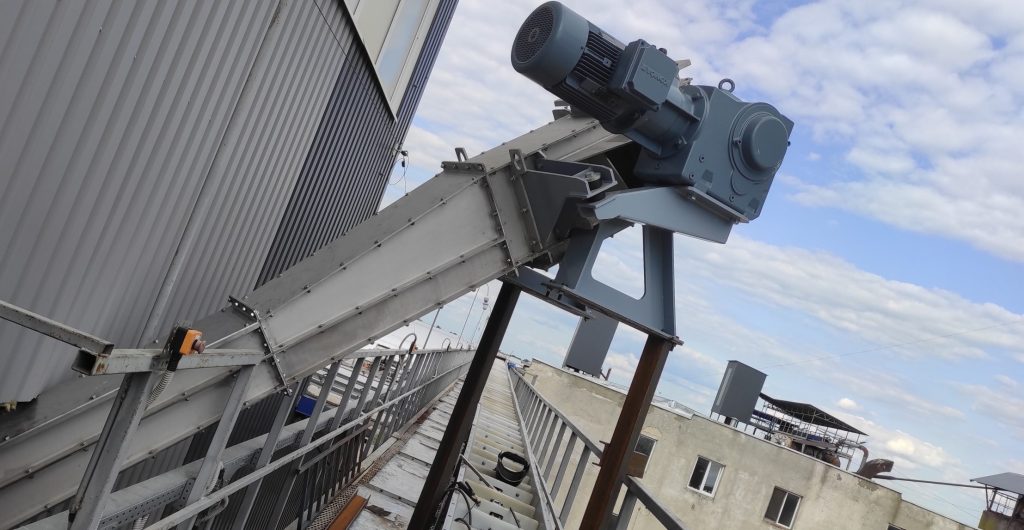
For LLC “LAN-OIL” in accordance with the individual technical specifications and developed drawings, an inclined chain conveyor was manufactured and delivered. According to the approved application of the Customer, the specialists of the company Quiplines installed aninclined conveyorof the ILCHMANN Fördertechnik GmbH i-TKF type. The product lifting height is 12 m, which ensured efficient transportation of raw materials within the production line and optimization of the company’s logistics.
Pelleting of processing by-products
The pelleting process is the final stage of processing by-products (meal, cake and husk), which converts loose raw materials into dense pellets. This significantly improves the logistical properties of the product, reduces dust formation and increases its market value.
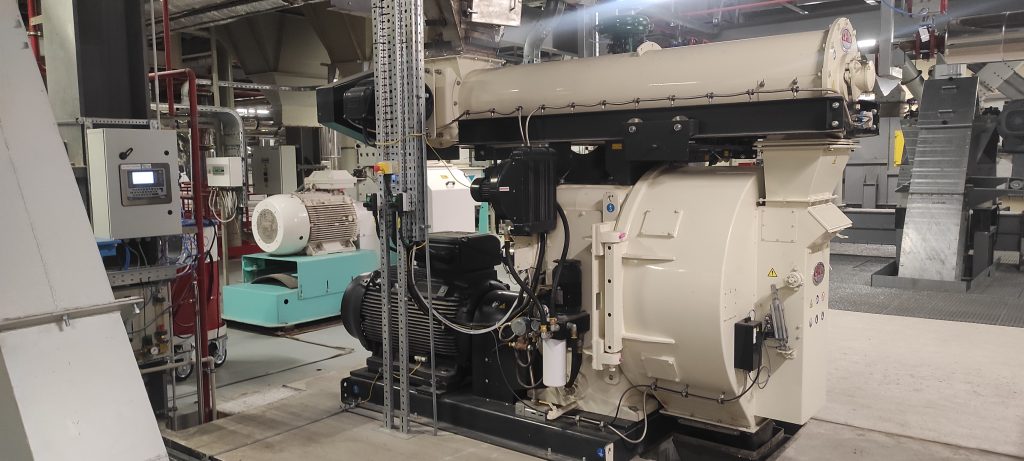
CPM pellet millsare high-performance equipment for converting by-products of oil and fat production (for example, meal, cake or other crushed raw materials) into compact granules. Such a pellet mill provides stable compaction of fibrous raw materials, the formation of homogeneous pellets and high process productivity. The pelleting process increases the density of the material, facilitates its storage, transportation and further use as feed additives, biofuel or raw materials for other technological processes.
Our service team, Quiplines, as the official representative of the CPM brand, participated in the implementation of a project to introduce equipment for pelleting meal at the enterprise LLC “Elevator Bud Invest” (Adampol town).
Cooling and classification of granulated products
The pelletizing process takes place at high temperatures due to friction and steam. In order for the pellets to gain the necessary strength and be able to be stored for a long time without mold, they must be cooled to a temperature that is only 5 °C above ambient temperature.
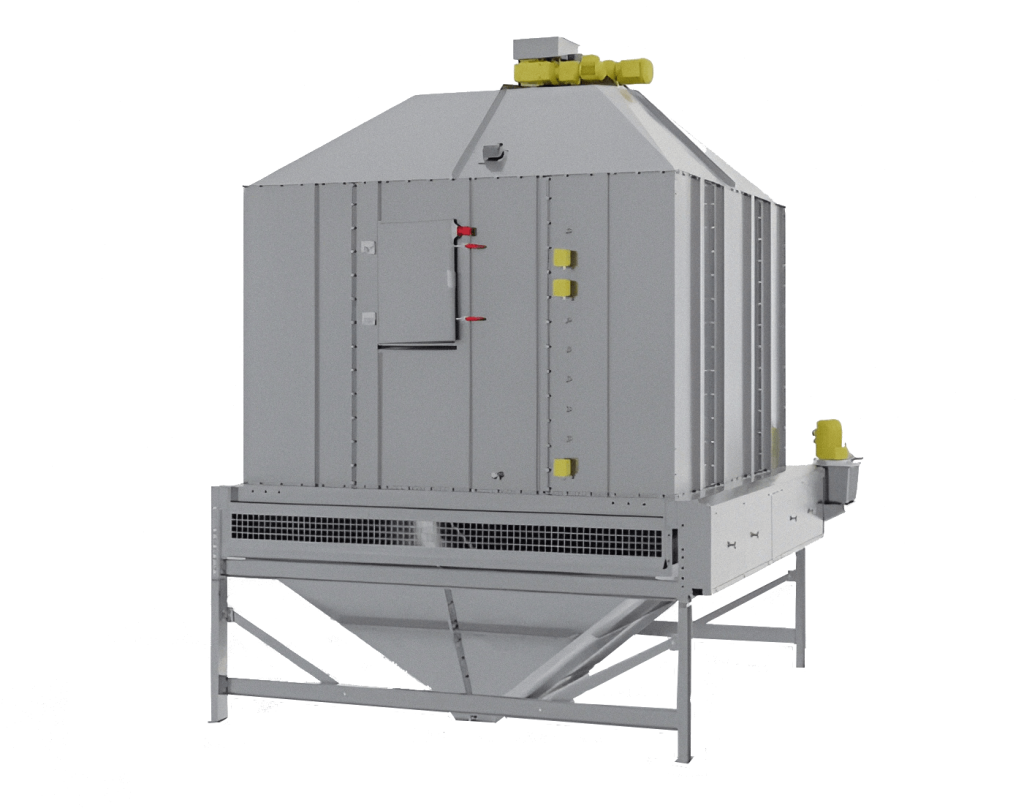
Geelen Counterflow systems are considered the most effective in the oilseed industry for stabilizing pelletized products after the pressing process. They provide effective cooling by passing cold air in a countercurrent to the downward moving product, thanks to which the pellets retain their shape, strength and nutritional properties.
After the cooling process is complete, the pellets undergo a critical final screening stage using Rotex screeners. This stage effectively separates the fine fraction – ungranulated dust and small particles (“fines”) – from the finished pellets. Rotex screeners ensure consistent product quality and high efficiency of the cleaning process.
Innovative equipment is the key to high-quality vegetable oil
Modern vegetable oil production is a high-tech process where every node affects the final profitability. The use of advanced equipment from market leaders such as CPM, Rotex, HF, Ilchmann, JJ-Lurgi and Geelen Counterflow allows not only to minimize oil losses, but also to significantly extend the service life of the entire line due to the reliability of each part. Investments in original spare parts such as precision bearings and high-quality planetary gears are a reliable foundation for a stable business.
Do you want to modernize your production?
If you are striving to increase the yield of finished products, reduce energy costs and ensure the smooth operation of your equipment 24/7, we are ready to become your reliable partner in the world of engineering solutions.
We offer:
– Professional equipment selection: analysis of your needs and selection of optimal models – from powerful HF presses and JJ-Lurgiextractors to high-precision Rotex sieves.
– Integration into existing lines: expert advice on implementing new Ilchmann transport systems and CPM pellet mills into your current technological process.
– Comprehensive support: full management of the ordering process and supply of equipment and spare parts directly from manufacturers.
– Start-up and service: carrying out commissioning work, professional commissioning and training of your personnel (Quiplines LLC provides a full cycle of service support).
– Original spare parts: selection and supply of certified parts – matrices, rollers, cylinders, bearing units and gears, which guarantee maximum machine resource.
Contact us today! Our specialists will help you choose and order equipment that will ensure your production a leading position in the market.
The chemical industry has extremely high requirements for the quality of raw materials and end products. One of the critical stages of the production cycle is screening – the process of mechanically separating bulk materials by particle size. The use of high-tech solutions, such as Rotexequipment, allows for maximum product purity and process stability. Thanks to its reliable design, high performance, and repeatability of results, such equipment minimizes losses and achieves maximum product purity. This, in turn, contributes to the stability of production processes, cost optimization, and compliance with the strict quality standards of the chemical industry.
The importance of effective screening in the chemical industry
Effective screening is one of the key stages of technological processes in the chemical industry, as it directly affects the quality of the final product, production stability, and the economic efficiency of enterprises. Many chemical products – powders, granules, crystalline substances – require precise control of their fractional composition, which is impossible to achieve without modern and reliable screening systems.
One of the main functions of screening is to ensure material homogeneity. Uniform particle size distribution improves the reactivity of substances, promotes dosing accuracy, and prevents defects during subsequent technological operations such as mixing, drying, or packaging. This is critical in the synthesis and production of catalysts, pigments, polymers, and mineral salts.
In addition, effective screening removes impurities, agglomerates, and unwanted inclusions that can adversely affect chemical reactions or cause equipment wear. Thus, screening not only performs a classification function but also serves as an important element of quality control and production safety.
From an economic point of view, optimized screening processes reduce raw material losses, equipment downtime, and energy consumption. The use of modern sieves with high separation accuracy allows companies to increase productivity while meeting strict industry standards.
Effective sieving in the chemical industry is an integral part of the technological chain, ensuring process stability, high product quality, and the competitiveness of manufacturers in the market.
Reliability and precision screening: the Rotex technological approach
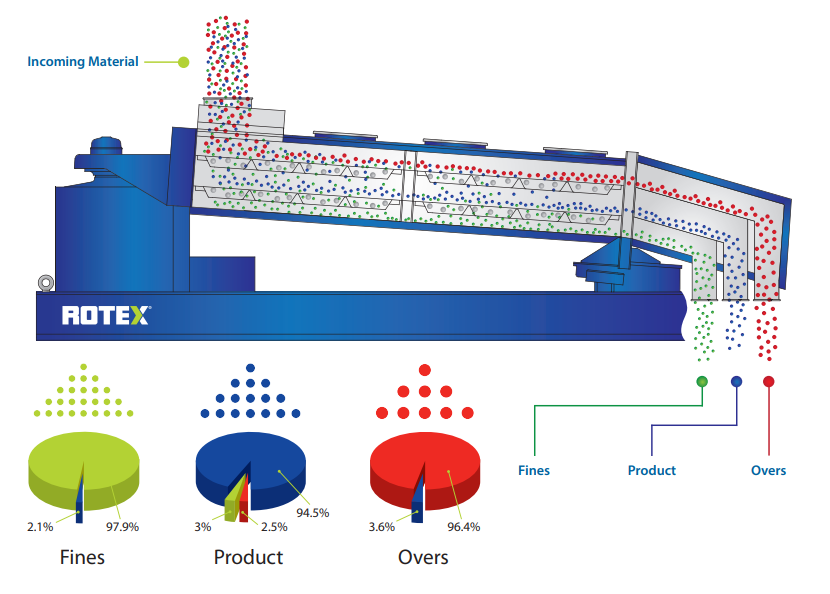
Rotex does not just manufacture screens, it offers engineering solutions based on over a century of experience in developing separation systems. While most manufacturers use simple vibration, Rotex has opted for controlled kinematics, which allows for almost 100% separation accuracy.
Unique technology: Gyratory Reciprocating Motion
– Circular motion at feed end: As soon as the raw material hits the working surface, it undergoes circular motion. This helps the material to instantly spread across the entire width of the screen and ensures stratification – a process in which small particles sink through the layer of large particles directly to the mesh.
– Changing to elliptical motion at the center: As the material moves forward, the trajectory becomes elliptical. This lengthens the particle’s path on the mesh, giving it more chances to pass through the opening, which increases the overall screening efficiency.
– Reciprocating motion at discharge end: At the end of the screener, the motion becomes almost longitudinal. This ensures rapid removal of oversized particles and prevents particles that are almost the same size as the mesh from getting stuck.
Design advantages that determine efficiency
Rotex equipment is designed to operate in the harsh conditions of chemical plants:
– Low angle of inclination: Unlike high-frequency vibrating screens, Rotex screens operate at an angle of approximately 2-3 degrees. This allows gravity to be used in conjunction with horizontal movement for the most delicate handling of fragile products (e.g., granular fertilizers).
– Ball Mesh Cleaning self-cleaning system: An additional mesh backing with elastic balls is located under the working screen. As the machine moves, the balls constantly knock the working screen from below, knocking out stuck particles. This is critical for chemicals that are prone to sticking.
– Multi-stage modularity: Screeners can have from one to five stages of screens in one housing, allowing up to six different product fractions to be obtained simultaneously.
– Customizable configuration: If necessary, Rotex equipment can be fully adapted to the specifics of your production. Options are available with different inlet and outlet openings, additional decks, internal linings, aspiration systems, and other options that increase efficiency and ease of operation.
Rotex screening systems for the chemical industry
Rotex Group offers a wide range of screening equipment to meet various production needs, from universal solutions to specialized separators for industrial processes.
Rotex offers specialized solutions for the chemical industry:
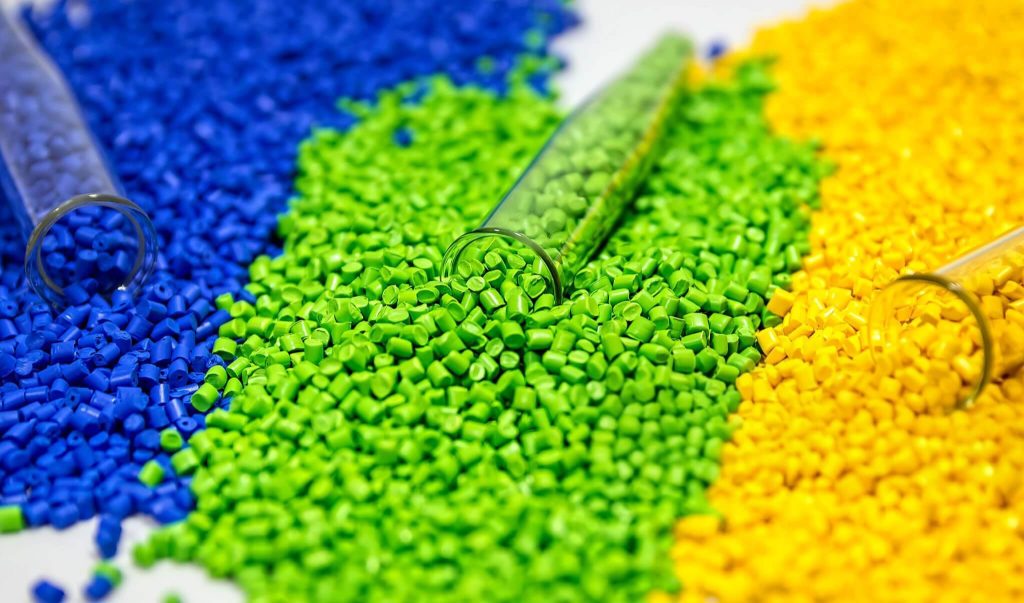
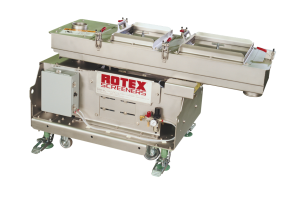
Plastic Pellet Screener: an affordable and compact solution for accurate screening of plastic pellets, polymers, PVC resins, and other similar materials. The equipment can be quickly adjusted between batches and can be mounted on the floor, a stand, or wheels. Thanks to its unique gyration-reciprocating motion technology, it ensures high product quality and efficient particle sorting.
Apex Industrial Screener: among modern industrial solutions, APEXoccupies a special place – a new generation of gyroscopic screeners that are distinguished by their extreme separation accuracy, ergonomic design, and maximum efficiency. The screen’s design provides improved access for maintenance (e.g., side access to screens and ball trays), allowing maintenance and inspection to be carried out by a single employee, reducing downtime and increasing safety in production.
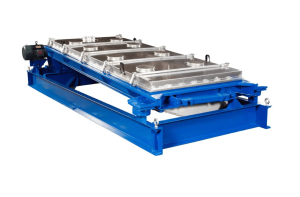
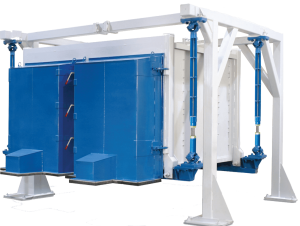
Rotex Industrial Separator: industrial separator, which has become an industry standard thanks to its reliability, accuracy, and versatility. It is equipped with an automatic screen tensioning system and effective mesh cleaning with balls, which ensures stable quality of the finished product, reduces rejection of usable material, and increases profitability. Rotex is successfully used in the most demanding production conditions around the world.
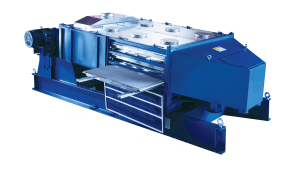
Mineral Separator /MEGATEX XD: this line is designed for heavy-duty industrial tasks in high-volume applications where high throughput and very precise separation are required (minerals, fertilizers, bulk chemical products, etc.). MEGATEX XD is a high-performance screen with a compact body. These multi-level separators have a unique design with multi-tiered screens and are used in the most difficult and demanding conditions. They ensure consistent screening quality, minimal downtime, and high reliability.
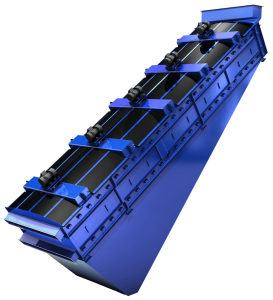
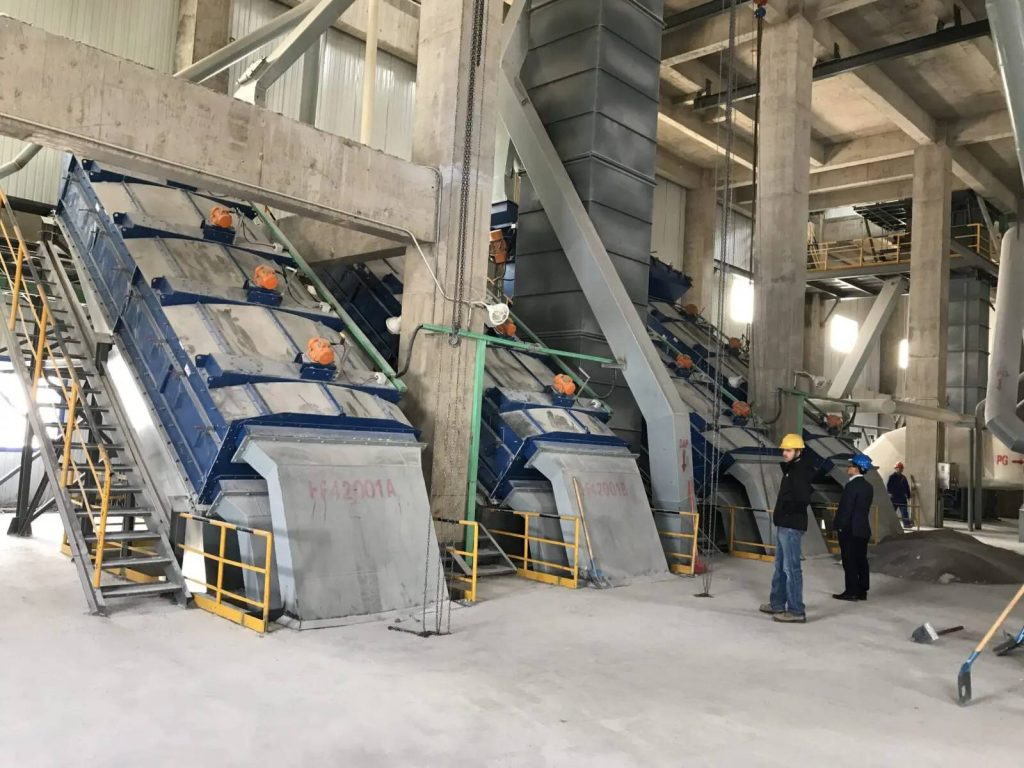
Hi Cline Fertilizer Screeners: The Hi-Cline model was developed in close cooperation with phosphate fertilizer manufacturers for rapid screening of MAP/DAP materials. This high-frequency sifter, designed for conditions where conventional machines cannot cope due to sticking, is used for fertilizers and similar products that require fast and accurate separation with a large mesh area (single and double deck models available).
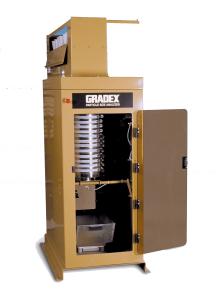
Gradex® 2000: This is not just another sieve from Rotex; it is an automated particle size analyzer designed to accurately control the quality of raw materials and products through standard laboratory sieving. This approach allows you to fully automate the testing process and minimize the human factor during particle size analysis. Gradex® 2000 is used to automatically determine the particle size distribution in materials by standard sieving through a set of ASTM-type round test sieves. With this device, you can perform frequency and standardized measurements that are important for quality control of raw materials in laboratory conditions.
Examples of applications in the chemical industry
Rotex equipment works effectively with a wide range of chemical raw materials. Thanks to the precise adjustment of the amplitude and speed of the gyratory-translatory motion, the screens ensure stable product quality even under difficult operating conditions.
Fertilizers and agrochemicals: one of the most energy-intensive industries, where high productivity and careful handling of granules are key.
–Granulated fertilizers: Rotex and Apex models provide effective removal of dust and substandard fractions without damaging the granules, reducing the risk of caking during storage.
–Phosphate fertilizers (MAP/DAP): The Hi-Cline seriesworks consistently with wet and hot materials, preventing screen clogging.
–Mineral fertilizers and potash (potassium): Mineral Separator models are used, capable of handling huge volumes (hundreds of tons per hour) and abrasive wear from mineral salts.
Polymers and plastics: Granule uniformity is critical for stable extruder operation.
– Polypropylene and plastic granules: Plastic Pellet Screener removes so-called clumped granules and fine plastic fibers, ensuring premium raw material quality.
– ABS and polyvinyl chloride (PVC) materials: PVC often comes in the form of a fine, light powder that is prone to dusting. Rotex’s completely sealed design prevents the loss of expensive material and ensures clean air in the workshop.
– Engineering polymers: Precise fraction calibration for high-precision injection molding.
Household chemicals and detergents: Materials with complex formulations and sticky components.
– Synthetic detergents: precise separation of active granules and fillers for uniform powder in water at the end user.
– Laundry detergents: Detergent components can be greasy or sticky. The self-cleaning mesh system using special balls (Ball Mesh Cleaning) in the Apex screener ensures that the mesh does not become clogged with greasy inclusions.
Various chemical compounds and specialty chemicals: materials with increased requirements for purity and process stability.
– Pigments and dyes: for materials where the absence of cross-contamination is important, the Apex model is ideal with its ability to quickly clean and change screens when switching from one color to another.
– Technical carbon and catalysts: working with materials that have a high specific weight or specific particle shape requires a stable trajectory, which is provided by the gyratory-translational technology from Rotex Group.
Reliable screening as the basis for efficient production
The efficiency of chemical production begins with the proper preparation of raw materials. As we have discovered, Rotex equipment is not just ordinary screening machines, but a high-tech solution that allows you to achieve uncompromising product purity, protect production lines from breakdowns, and optimize costs.
Thanks to its unique Gyratory Reciprocating Motion, reliable design, and wide range of models (from the versatile Apex to the powerful Minerals Separator), Rotex remains one of the world leaders in separation for the chemical, polymer, and agrochemical industries.
Want to modernize your production?
If you want to improve the quality of your products and ensure uninterrupted operation, choosing Rotex is a step into the future.
We offer:
– Selection of the optimal equipment model for your specific tasks (from PVC granules to complex mineral fertilizers).
– Consultations on the integration of screeners into existing technological lines.
– Full support of the ordering and delivery process.
– Commissioning works (Quiplines LLC provides a full range of commissioning and training services)
– Selection, supply, and professional replacement of original spare parts for production equipment.
Contact us today! Our specialists will help you choose and order Rotex screening equipment that will become a reliable foundation for your success.